
Short answer: choose calcium citrate when you need flexible dosing and reliable absorption regardless of stomach acid levels, and consider hydroxyapatite or ossein-hydroxyapatite complex (OHC) when a modest bone mineral density edge and bone-matrix components matter more to you. Both require adequate vitamin D to work well, and anyone with kidney stones, renal impairment, or hyperparathyroidism should check with a clinician before starting either one.
TL;DR:
- Check the Supplement Facts panel for elemental calcium, fill only the gap left by food, and divide doses into 500 mg or less.
- OHC showed a bone density advantage of about one percentage point over carbonate, while fracture prevention evidence specific to hydroxyapatite remains limited.
- Separate calcium from bisphosphonates, certain antibiotics, and iron by several hours; people with kidney stones, renal impairment, or hyperparathyroidism should consult a clinician first.
- Vitamin D sufficiency and total calcium intake matter more for fracture prevention than choosing a salt, so assess diet and vitamin D status.
Table of Contents
- How calcium hydroxyapatite and citrate differ chemically
- Why absorption and stomach acid matter for each form
- What clinical trials show about bone density outcomes
- Comparing safety signals: stones, cardiovascular risk, and GI tolerance
- How to calculate your dose and time it correctly
- Using NutraSmarts to verify the evidence and calculate your dose
- Choosing between citrate and hydroxyapatite in practice
- Research your calcium options before you buy
- FAQ
- Sources
How calcium hydroxyapatite and citrate differ chemically
Calcium citrate is a calcium salt of citric acid, a straightforward compound that dissolves well in water and does not need much stomach acid to break apart. It delivers about 21% elemental calcium by weight, according to the NIH fact sheet on calcium, which means a 1,000 mg tablet of calcium citrate supplies roughly 210 mg of usable calcium.

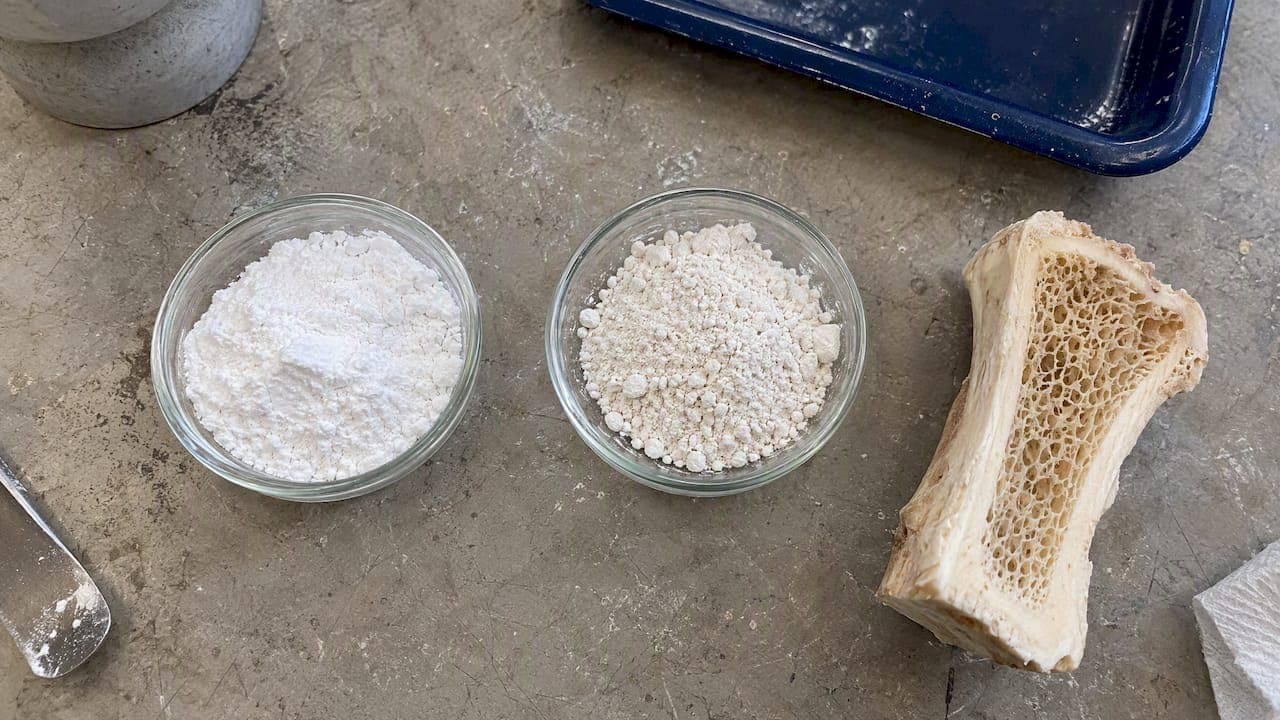
Microcrystalline hydroxyapatite (MCH) is a different kind of material entirely. It is derived from bone mineral and consists of calcium phosphate crystals in the same structure found in human bone and teeth. Ossein-hydroxyapatite complex (OHC) goes a step further, combining that mineral crystal with ossein, a protein matrix extracted from bone that includes collagen and growth factors. Because MCH and OHC mimic the architecture of actual bone tissue, some researchers have proposed that they could support bone remodeling more directly than a simple mineral salt, though this remains a theoretical argument rather than a settled mechanism.
Calcium carbonate, the most common drugstore form, sits between these two in terms of relevance here mostly as a comparison point: it supplies about 40% elemental calcium, the highest percentage of the common salts, but it depends heavily on stomach acid to dissolve.
Here is how the three main forms stack up on elemental calcium content:
- Calcium carbonate: about 40% elemental calcium, so a 1,250 mg tablet yields roughly 500 mg usable calcium, per the NIH fact sheet.
- Calcium citrate: about 21% elemental calcium, meaning you need a larger total tablet weight to hit the same elemental target.
- Microcrystalline and ossein-hydroxyapatite: elemental content varies by product and processing method, so checking the actual label figure matters more than assuming a fixed percentage.
The practical consequence is pill burden. Citrate's lower elemental percentage means more tablets or a larger tablet size to reach a given dose, which is one reason people on multiple medications sometimes find carbonate or hydroxyapatite more convenient, provided their stomach acid and tolerance allow it. Our calcium citrate ingredient page and calcium hydroxyapatite page break down these elemental values alongside the clinical trials behind them.
Why absorption and stomach acid matter for each form
Elemental calcium is the number that actually counts toward your daily intake, not the total compound weight listed on a label. A supplement listing "1,200 mg calcium carbonate" is not giving you 1,200 mg of usable calcium. Reading past the total salt weight to the elemental calcium line on the Supplement Facts panel is the single most reliable way to avoid under- or over-dosing.
Calcium citrate's main practical advantage is that it does not depend heavily on stomach acid to dissolve and become bioavailable. The NIH Office of Dietary Supplements fact sheet notes that citrate is absorbed well with or without food, which makes it a better fit for older adults, people taking proton pump inhibitors or H2 blockers, and anyone with reduced gastric acidity. Calcium carbonate, by contrast, needs an acidic stomach environment and works best taken with meals.
Hydroxyapatite's absorption profile looks different from both. A randomized controlled trial in postmenopausal women found that microcrystalline hydroxyapatite produced smaller acute increases in ionized serum calcium compared to citrate and carbonate doses, even though bone turnover markers improved similarly across all three groups after three months. That slower, flatter calcium release pattern has led some researchers to speculate about a theoretically gentler cardiovascular profile, though the evidence here is preliminary rather than conclusive.
A few practical takeaways follow from this mechanistic picture:
- Split doses of 500 mg elemental calcium or less at a time, since the body absorbs calcium less efficiently in larger single doses.
- Take carbonate with food to supply the acid it needs, but citrate can go with or without meals.
- Factor in pill burden when a lower elemental percentage means swallowing more tablets to hit your target.
What clinical trials show about bone density outcomes
The strongest evidence specific to hydroxyapatite-based calcium comes from trials on OHC rather than citrate or carbonate. A meta-analysis pooling multiple trials found that OHC produced a small but statistically significant greater increase in bone mineral density compared with calcium carbonate, a modest advantage that researchers have described as measurable but not dramatic in absolute terms. Trial durations and participant counts in this body of research vary, and the effect size, while real, sits in the range of a percentage point or two rather than a transformative shift in bone density.
The same postmenopausal RCT comparing MCH, citrate, and carbonate found that all three forms reduced bone turnover markers to a comparable degree over three months, even though their acute calcium absorption curves looked different. Randomized controlled trial, postmenopausal women
That finding matters because it decouples two things people often assume go together: a fast serum calcium spike and a strong effect on bone remodeling. MCH achieved similar reductions in bone turnover markers with a gentler calcium absorption profile, suggesting the bone benefit does not require a dramatic spike in blood calcium to register.
A few points are worth holding onto when weighing this evidence for a real decision:
- OHC's BMD advantage over carbonate is real but small, on the order of about one percentage point in pooled trial data, not a dramatic difference.
- Bone turnover marker improvements look similar across MCH, citrate, and carbonate at three months, per the postmenopausal RCT.
- Fracture-outcome data remain limited for hydroxyapatite forms specifically; most of the strong fracture-prevention evidence in the broader literature comes from combined calcium plus vitamin D trials, not from comparisons of salt form alone.
This last point deserves emphasis. If your goal is fracture prevention, the research base supports prioritizing total daily calcium intake and vitamin D sufficiency over debating which calcium salt you take. A clinician might reasonably lean toward OHC or MCH when a patient specifically wants the bone-matrix angle, tolerates it well, and has no absorption concerns that citrate would solve. For patients with reduced stomach acid, multiple medications, or a history of GI discomfort with calcium supplements, citrate's absorption profile often makes it the more practical first choice.
Comparing safety signals: stones, cardiovascular risk, and GI tolerance
Calcium supplementation research has produced genuinely mixed signals on cardiovascular risk, and it is worth being precise about what the data actually shows rather than overstating it in either direction. Observational studies and some meta-analyses have found associations between high supplemental calcium intake and cardiovascular events, while dietary calcium from food sources has not shown the same pattern, according to the NIH fact sheet. Dietary calcium appears to produce smaller, more gradual changes in serum calcium than a concentrated supplement dose, which may explain part of the discrepancy.
The postmenopausal RCT adds a useful wrinkle here: MCH produced smaller increases in ionized calcium than citrate or carbonate, but it raised phosphate levels and the calcium-phosphate product in some trial arms. That is not an argument for avoiding hydroxyapatite outright, but it is a reason to interpret "gentler on serum calcium" as a tradeoff rather than a pure safety win, since elevated phosphate and calcium-phosphate product carry their own theoretical concerns for vascular calcification in at-risk patients.
On gastrointestinal tolerance, the practical differences are better established. Citrate tends to cause fewer digestive side effects like gas, bloating, and constipation than carbonate, according to Mayo Clinic's guidance on calcium supplements. Hydroxyapatite's tolerability is generally reported as comparable to citrate in available trials, though product quality and processing can vary between manufacturers.
A short checklist helps translate these signals into a practical decision:
- Check for a personal history of kidney stones before starting any high-dose calcium supplement, since excess calcium excretion raises stone risk.
- Flag renal impairment or hyperparathyroidism to your clinician, since both conditions change how your body handles calcium and phosphate.
- Review current medications, particularly diuretics and vitamin D supplements, which can amplify calcium absorption.
- Watch for symptoms of hypercalcemia such as excessive thirst, frequent urination, or unusual fatigue, and report them promptly.
Pro Tip: If you have risk factors for stones or impaired kidney function, ask your clinician about a spot urine calcium test before and after starting a new supplement form, rather than assuming tolerance based on how you feel.
How to calculate your dose and time it correctly
Getting elemental calcium math right prevents the most common dosing mistake people make with these supplements. Say a citrate tablet lists 950 mg of calcium citrate on the label.
Here is a simple process to follow:
- Find the elemental calcium line on the Supplement Facts panel, not just the total compound weight.
- Calculate your gap between what you get from food and your daily target, since supplements should fill a deficit, not duplicate your diet.
- Split the total into doses of 500 mg elemental calcium or less, since absorption efficiency drops off at higher single doses.
- Match timing to the form: citrate works with or without food, while carbonate and most hydroxyapatite products are better absorbed alongside a meal.
Vitamin D status changes how well any calcium form performs. Clinicians commonly aim for a 25-hydroxyvitamin D level in the sufficient range before expecting calcium supplementation to meaningfully support bone health, since vitamin D governs calcium absorption in the gut. If you take bisphosphonates, certain antibiotics like tetracyclines, or iron supplements, space them several hours apart from calcium, since calcium can interfere with their absorption. Our free Supplement Facts label creator handles the elemental calcium math automatically if you want to skip the manual calculation.
Using NutraSmarts to verify the evidence and calculate your dose
Rather than taking any single claim on faith, you can check the primary trials yourself through our calcium hydroxyapatite, calcium citrate, and microcrystalline hydroxyapatite pages, each of which links directly to the clinical trials and PubMed citations behind the dosage benchmarks discussed here.
If you are formulating a product or just want to be certain of your own elemental calcium intake, Some free tools calculate elemental calcium per serving automatically and generate FDA-compliant labels without spreadsheet errors.
A few ways to put these tools to work:
- Cross-check trial sample sizes and durations on each ingredient page before deciding how much weight to give a particular study.
- Run your supplement's numbers through the label tool to confirm the elemental calcium figure matches what the manufacturer claims.
- Use the side-by-side comparison feature to weigh citrate against hydroxyapatite on absorption, tolerance, and trial evidence in one view.
- Check the deficiency guide if you are not sure whether your symptoms point to a calcium gap in the first place.
Choosing between citrate and hydroxyapatite in practice
In practice, the decision usually comes down to a patient's stomach acid status and tolerance history more than a preference for one theoretical mechanism over another. Someone on a proton pump inhibitor or with known low gastric acidity gets more reliable absorption from citrate, full stop. Someone with strong digestion, a preference for a bone-derived matrix, and interest in the modest BMD edge shown in OHC trials has a reasonable case for trying that route instead.
What I would not do is treat salt form as the main lever. Vitamin D sufficiency, total daily calcium intake, and consistent use matter more than which form sits in the capsule. Shared decision-making with a clinician, periodic monitoring for patients with stone history or kidney concerns, and honest acknowledgment that fracture-outcome trials specific to hydroxyapatite remain thin are all part of using this evidence responsibly rather than overselling it.
— NutraSmarts
Research your calcium options before you buy
We built our ingredient database so you do not have to take a supplement label's word for it. Every entry on our calcium hydroxyapatite and calcium citrate pages links back to the clinical trials and dosage benchmarks behind the claims, so you can see exactly what the research supports before choosing a form.
If you are putting together a supplement formulation or just want to confirm your own daily elemental calcium intake, our free Supplement Facts label creator does the math for you and outputs an FDA-compliant label in minutes. And if you are still narrowing down whether calcium is even the right place to focus, our deficiency guide and side-by-side comparison tool can help match a supplement form to your specific situation. For a food-first complement to any supplement plan, targeted food strategies for bone density are worth reviewing alongside whichever calcium form you choose. Start by searching our full ingredient database for the form that fits your situation.
This article is general information, not a substitute for advice from a qualified doctor. Consult a qualified healthcare professional about your own circumstances before acting on anything here.
FAQ
What is the best calcium to take if you have osteoporosis?
There is no single form proven superior for osteoporosis outcomes, but ensuring adequate total calcium intake alongside sufficient vitamin D matters more than the specific salt. Ossein-hydroxyapatite complex has shown a small bone mineral density advantage over calcium carbonate in pooled trial data, while calcium citrate remains a reliable choice for people with reduced stomach acid. Talk to your clinician about your individual risk factors before choosing a form.
Is it safe to take calcium hydroxyapatite?
Calcium hydroxyapatite, including microcrystalline and ossein-hydroxyapatite forms, has been studied in randomized trials showing comparable bone turnover marker improvements to citrate and carbonate. One trial found it raised phosphate and the calcium-phosphate product in some arms, so people with kidney impairment or phosphate concerns should check with a clinician first.
Who should not take calcium citrate?
People with a history of kidney stones, hypercalcemia, or hyperparathyroidism should consult a clinician before starting calcium citrate or any calcium supplement. Anyone taking medications like bisphosphonates, certain antibiotics, or iron should also space their doses apart from calcium citrate to avoid absorption interference.
Is hydroxyapatite good for osteoporosis?
A meta-analysis of ossein-hydroxyapatite complex trials found a small but statistically significant greater increase in bone mineral density compared with calcium carbonate. Fracture-outcome evidence specific to hydroxyapatite remains limited, so most clinicians still weigh total calcium and vitamin D intake as the primary drivers of fracture prevention.