

The strongest signals of iodine deficiency are a visibly enlarged thyroid (goiter) combined with hypothyroid symptoms like persistent fatigue, unexplained weight gain, cold intolerance, dry skin, and constipation. Mild deficiency, though, can produce no symptoms at all, which is exactly why pregnant and breastfeeding people need proactive prevention rather than waiting for signs to appear. If any of these symptoms are present, the next step is a clinical exam and a TSH and free T4 blood test, not guesswork.
TL;DR:
- Mild iodine deficiency often shows no symptoms, making population screening and targeted testing crucial for early detection and prevention.
- Elevated TSH with normal T4 levels can still indicate iodine deficiency, as the body compensates through thyroid growth without always altering blood tests significantly.
- Pregnant and breastfeeding individuals face higher iodine requirements, with recommendations increasing to 220 micrograms daily, emphasizing the importance of supervised supplementation.
- Diets low in dairy, seafood, or iodized salt, or high in goitrogenic foods and certain medications, significantly increase individual risk for deficiency.
- Confirmed deficiency should primarily be addressed through dietary sources like iodized salt, dairy, and seafood, with supplements only under medical guidance.
Table of Contents
- What Are the Key Signs of Iodine Deficiency?
- How Does Low Iodine Cause Hypothyroidism and Goiter?
- Who Is Most at Risk for Iodine Deficiency?
- How Is Iodine Deficiency Diagnosed?
- What's the Right Way to Treat and Prevent Iodine Deficiency?
- Why Pregnancy and Childhood Deserve Extra Caution
- When Should You See a Doctor About Possible Iodine Deficiency?
- Researching Iodine Safely Before You Supplement
- The Gap Between Symptom Checklists and Real Diagnosis
- Where to Check Iodine Dosing and Evidence Before You Buy
- Sources
- FAQ
What Are the Key Signs of Iodine Deficiency?
Iodine deficiency shows up differently depending on how severe it is and who it affects. Some signs are visible from across a room. Others only turn up on a blood panel or, worse, in a child's development years later.
Visible and local signs:
- A goiter, or visible swelling at the base of the neck, is usually the first thing a clinician or patient notices
- A palpable lump or asymmetry in the thyroid gland
- Hoarseness or a change in voice from thyroid pressure on the larynx
- In advanced cases, a sensation of tightness or difficulty swallowing from a goiter pressing on the esophagus
Systemic hypothyroid symptoms:
- Persistent fatigue that doesn't improve with rest
- Unexplained weight gain despite no change in diet or activity
- Cold intolerance, feeling chilled when others are comfortable
- Dry, coarse skin and noticeable hair thinning
- Constipation that becomes a new, ongoing pattern
- A slower resting heart rate (bradycardia) in more pronounced cases
Reproductive effects:
- Irregular or unusually heavy menstrual periods
- Difficulty conceiving, since thyroid hormone directly affects ovulation and fertility
Cognitive and neurodevelopmental effects:
- Memory lapses and trouble concentrating in adults with longstanding deficiency
- Far more serious risks in pregnancy: maternal iodine deficiency raises the risk of miscarriage, stillbirth, and neurodevelopmental deficits in the child, including lower IQ scores tied to even mild-to-moderate deficiency during gestation
Here's the catch that trips up a lot of people trying to self-diagnose: mild iodine deficiency is often completely asymptomatic. You can be running low without a single one of these symptoms showing up, which is part of why population screening and targeted testing matter more than symptom-spotting alone.
How Does Low Iodine Cause Hypothyroidism and Goiter?
Iodine is a raw material. The thyroid gland uses it to manufacture the hormones' triiodothyronine (T3) and thyroxine (T4), which regulate metabolism, temperature, heart rate, and, in a developing fetus, brain growth. When iodine intake drops, T3 and T4 production falls with it.
The brain's pituitary gland detects that drop and responds by releasing more thyroid stimulating hormone (TSH), trying to push the thyroid to work harder. A goiter is that effort made visible: the gland enlarges as a direct response to chronically elevated TSH, essentially growing larger to squeeze more hormone out of less raw material.
This feedback loop explains a detail that confuses a lot of patients: TSH can stay within a normal range even when someone's iodine intake is genuinely low, especially in adults with mild or early deficiency. That's why a single normal TSH result doesn't always rule out a problem, and why clinicians look at the whole picture rather than one number.
One more wrinkle worth knowing: this isn't a "more is always better" situation. Excess iodine intake can also disrupt thyroid function, triggering the same kind of thyroid dysfunction as too little.
Who Is Most at Risk for Iodine Deficiency?
Certain groups face meaningfully higher risk, and knowing where you fall on that list is more useful than trying to interpret symptoms in isolation.
- Pregnant and breastfeeding individuals, whose iodine needs rise substantially to support fetal and infant brain development
- People eating diets low in dairy, eggs, and seafood, or who cook exclusively with non-iodized sea salt or specialty salts
- Vegans and some vegetarians, since plant foods generally contain little iodine unless grown in iodine-rich soil
- People who eat large amounts of raw goitrogenic foods, like raw cassava, without balancing iodine intake, or extreme quantities of cruciferous vegetables
- Anyone on certain medications, or with a history of thyroid surgery or malabsorption conditions that interfere with iodine handling
It's worth being clear about scale here: iodine deficiency at the population level is uncommon in the United States and Canada, largely thanks to iodized salt. That doesn't mean individual risk is zero. Subgroups, especially pregnant people and those avoiding iodized salt and animal products, can run low even where the general population is fine.
How Is Iodine Deficiency Diagnosed?
Diagnosis typically starts with a physical exam. A clinician palpates the neck, checking whether the thyroid's lateral lobes feel larger than the terminal segment of the patient's own thumb, a simple but longstanding screening method. Ultrasound offers a more precise measurement when the exam is ambiguous or a nodule is suspected.
Blood testing follows: TSH and free T4 together indicate whether the thyroid is underperforming, with elevated TSH and low free T4 pointing toward hypothyroidism. Urinary iodine concentration is a standard tool for tracking iodine status across a population, but it fluctuates too much day to day to reliably diagnose one individual's status from a single sample.
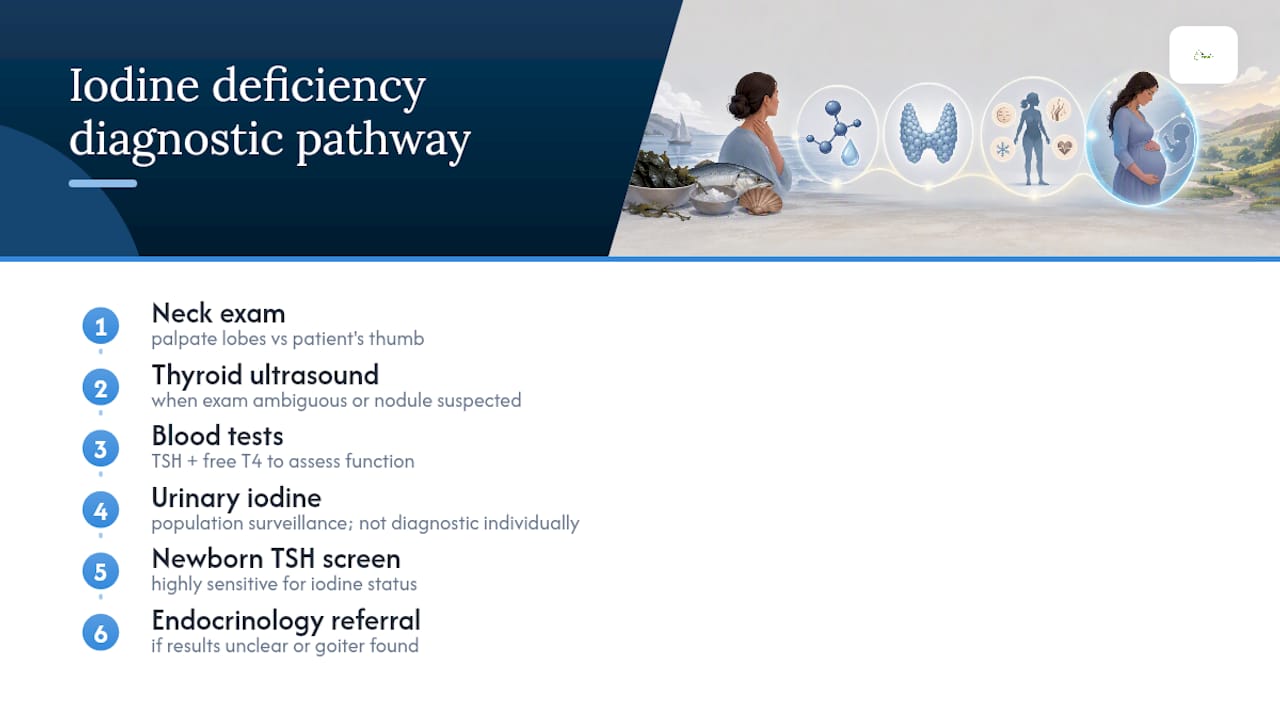
Newborns get a different, more sensitive tool. TSH screening at birth is one of the most sensitive indicators of iodine status available, which is why it's a standard part of newborn screening panels nationwide. When results are unclear or a goiter is found, referral to an endocrinologist for further workup is the usual next step.
What's the Right Way to Treat and Prevent Iodine Deficiency?
Correcting mild deficiency usually starts with food, not pills. Iodized table salt remains the simplest fix for most households. Dairy products, eggs, saltwater fish, and, in modest amounts, seaweed all contribute meaningfully to daily intake.
Steps to raise iodine intake safely:
- Switch to iodized salt for everyday cooking and check labels on specialty salts, which often aren't iodized
- Add dairy, eggs, or seafood into your weekly rotation if your diet currently skips them
- Use seaweed or kelp products in moderation, since content varies widely and can swing from too little to too much
- Talk to a clinician before starting an iodine or potassium iodide supplement, particularly at doses above typical multivitamin levels
- If pregnant or breastfeeding, raise iodine intake specifically under a clinician's guidance rather than assuming a standard multivitamin covers it
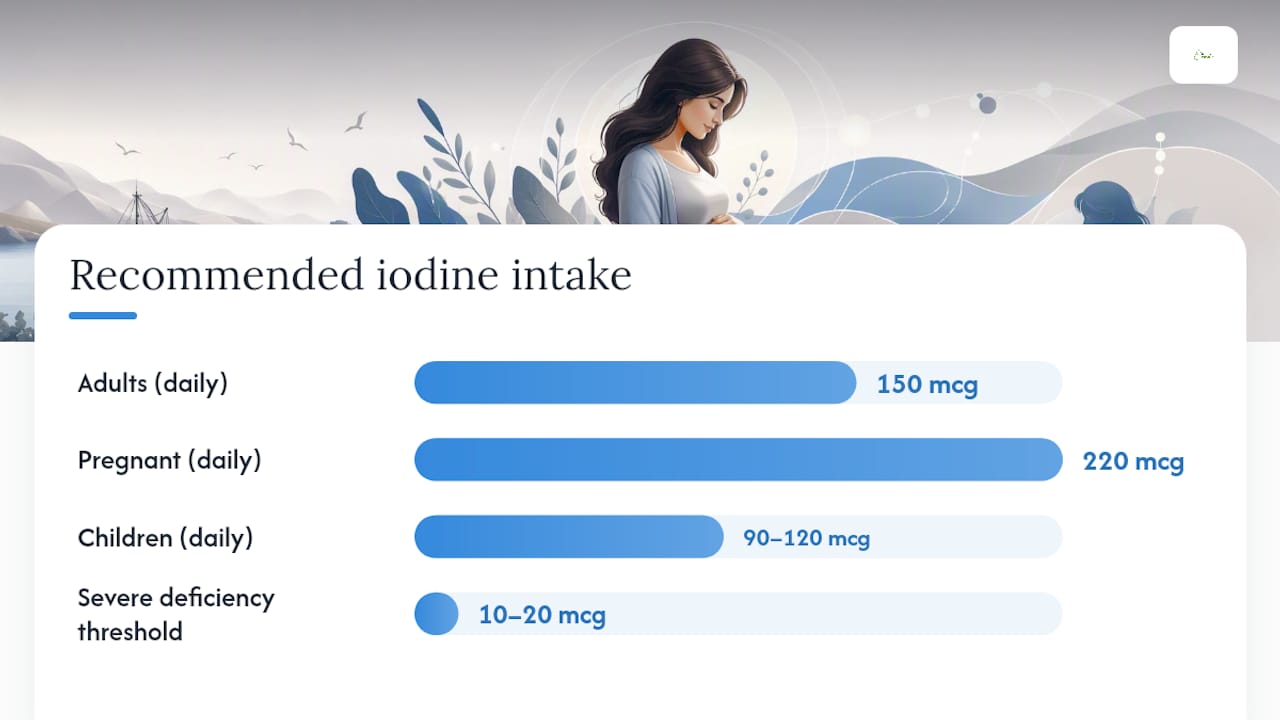
NIH/ODS recommended daily iodine intake: 150 mcg for adults, 220 mcg for pregnant individuals, and 90 to 120 mcg for children. Severe deficiency typically sets in when intake chronically falls below 10 to 20 mcg per day.
The safety caveat here matters as much as the dosage numbers. High iodine intake can cause thyroiditis, goiter, and either hyperthyroidism or hypothyroidism, so supplementation should be supervised, especially for anyone with a pre-existing thyroid condition. Don't self-prescribe high-dose iodine or potassium iodide expecting it to be automatically beneficial. On a public-health scale, universal salt iodization programs have done the heavy lifting for decades; on an individual scale, targeted food choices and medical guidance do the rest.
Why Pregnancy and Childhood Deserve Extra Caution
Nowhere does iodine status matter more than in pregnancy and early childhood, because the developing brain depends on adequate thyroid hormone at specific windows that don't repeat. Severe maternal deficiency can cause irreversible harm, and even milder deficiency during gestation has been linked to lower offspring IQ and a higher risk of attention and learning difficulties later on.
This is why the recommended intake jumps to 220 mcg per day during pregnancy, well above the standard adult amount, and why prenatal vitamins are worth checking for iodine content specifically rather than assumed to include it. Bring it up directly at a prenatal visit.
After birth, newborn TSH screening catches significant thyroid problems early, and pediatric visits continue to track developmental milestones as an ongoing check. Parents concerned about a family history of thyroid issues or a restrictive maternal diet should raise it explicitly rather than waiting for a symptom to appear.
When Should You See a Doctor About Possible Iodine Deficiency?
Some symptoms need same-day attention. A rapidly growing neck mass, difficulty breathing or swallowing, fainting, or a notably slow heartbeat are urgent, not wait-and-see, situations.
For everything else, a routine primary care visit covers the basics:
- Physical exam of the neck for goiter or nodules
- TSH and free T4 blood testing
- A conversation about diet, salt use, and whether supplementation makes sense for you
Pro Tip: Write down your symptoms and roughly when they started before your appointment. A timeline helps a clinician distinguish a slow-developing thyroid issue from something unrelated, and it speeds up whether you need urinary iodine testing, an ultrasound, or a referral to endocrinology.
Researching Iodine Safely Before You Supplement
Before adding an iodine supplement, it helps to see the actual clinical dosing data rather than a label claim. Nutrasmarts' iodine ingredient page lays out typical dosing ranges and cited clinical trials, and the potassium iodide profile covers the form clinicians sometimes prescribe directly. Use these to walk into a doctor's appointment with informed questions, never as a replacement for testing or a clinician's own recommendation.
The Gap Between Symptom Checklists and Real Diagnosis
Symptom checklists are useful for raising suspicion, not for confirming a diagnosis. Fatigue and weight gain get blamed on stress and aging constantly, when a five-minute TSH test could settle the question. Evidence-based information and dosing data are important because iodine is a nutrient where more isn't automatically safer, particularly for anyone pregnant, breastfeeding, or already managing a thyroid condition. Talk to a clinician before changing your intake in either direction.
— NutraSmarts
Where to Check Iodine Dosing and Evidence Before You Buy
There are other ways to research supplement ingredients, from manufacturer websites to general health blogs, but most of them either oversimplify the dosing or skip the clinical trial data entirely. Nutrasmarts approaches it differently: every ingredient profile is built around cited clinical research rather than marketing copy, so you can see the evidence for iodine or potassium iodide before it ever reaches your cart.
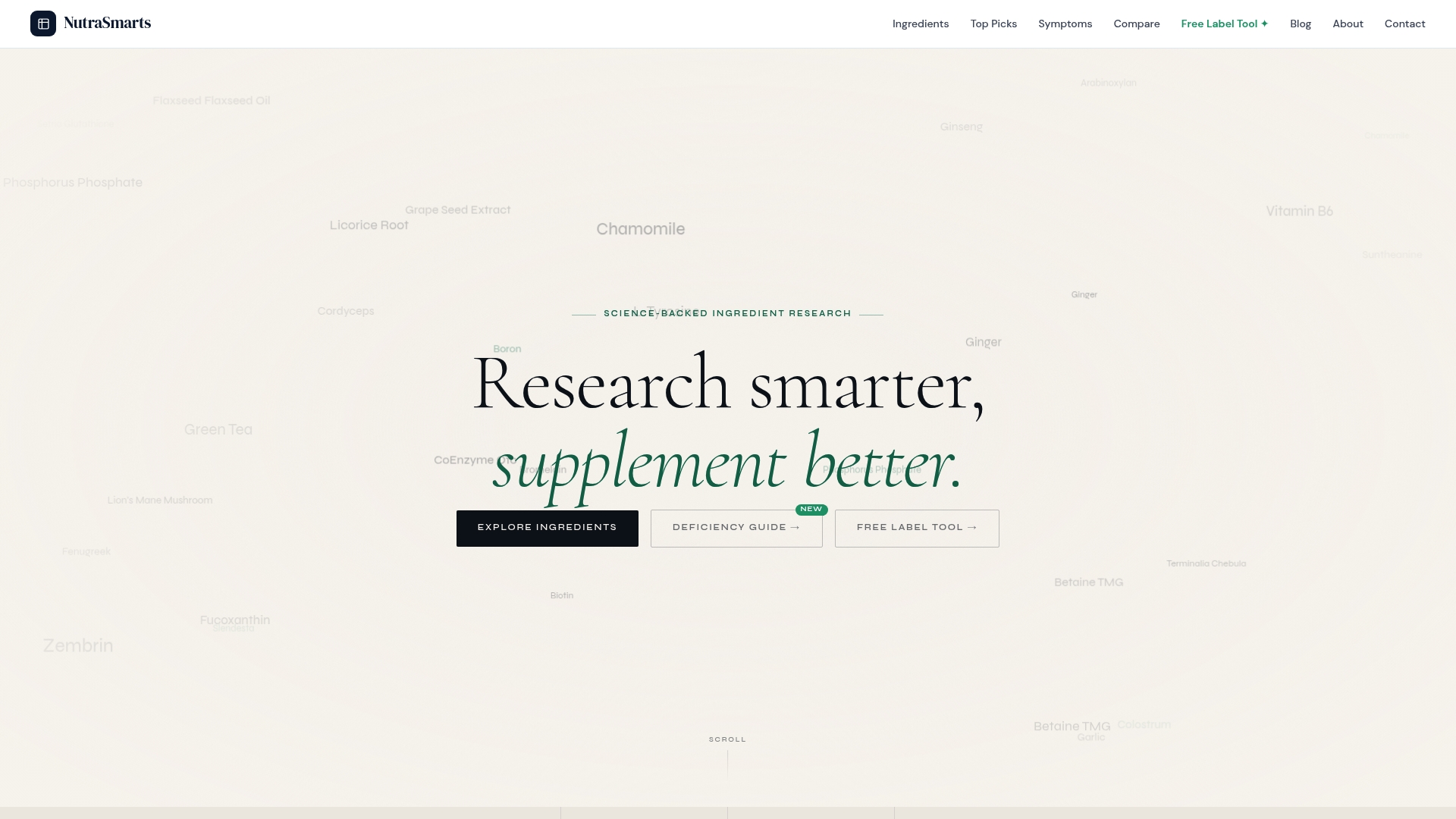
Start with the iodine ingredient page to see clinical dosing ranges and trial citations, then check the deficiency symptoms hub if you're trying to map a specific symptom to a likely cause. If you're weighing multiple thyroid support products, the side-by-side comparison tool lets you line up ingredients and evidence ratings without digging through a dozen product pages yourself. None of this replaces a blood test or a doctor's visit, but it does mean you'll walk into that appointment already knowing what the research actually says.
This article is general information, not a substitute for advice from a qualified doctor. Consult a qualified healthcare professional about your own circumstances before acting on anything here.
Sources
- Iodine - Health Professional Fact Sheet (NIH Office of Dietary Supplements)
- The Iodine Deficiency Disorders - Endotext (NCBI Bookshelf)
FAQ
Which foods are high in iodine?
Iodized salt, dairy products, eggs, and saltwater fish are among the most reliable dietary sources. Seaweed and kelp also contain iodine, though amounts vary so widely that they shouldn't be your only source if you're trying to hit a specific daily target.
What depletes your body of iodine?
Diets low in dairy, seafood, and iodized salt are the most common drivers, along with heavy reliance on specialty salts that skip iodization. Certain medications, prior thyroid surgery, and malabsorption conditions can also interfere with how your body handles iodine.
How do I know if I should take iodine?
Start with a clinician visit rather than a supplement bottle: a physical exam plus TSH and free T4 testing will show whether your thyroid is actually underperforming. This matters most if you're pregnant, breastfeeding, following a vegan diet, or avoiding iodized salt, since those groups carry higher individual risk even where population-level deficiency is uncommon.
How do you fix iodine deficiency?
Mild cases often resolve with dietary changes, like switching to iodized salt and adding dairy, eggs, or fish. For confirmed deficiency or during pregnancy, a clinician may recommend a supplement at a supervised dose, since the recommended intake rises to 220 mcg per day in pregnancy and self-dosing at high levels carries its own risks.