
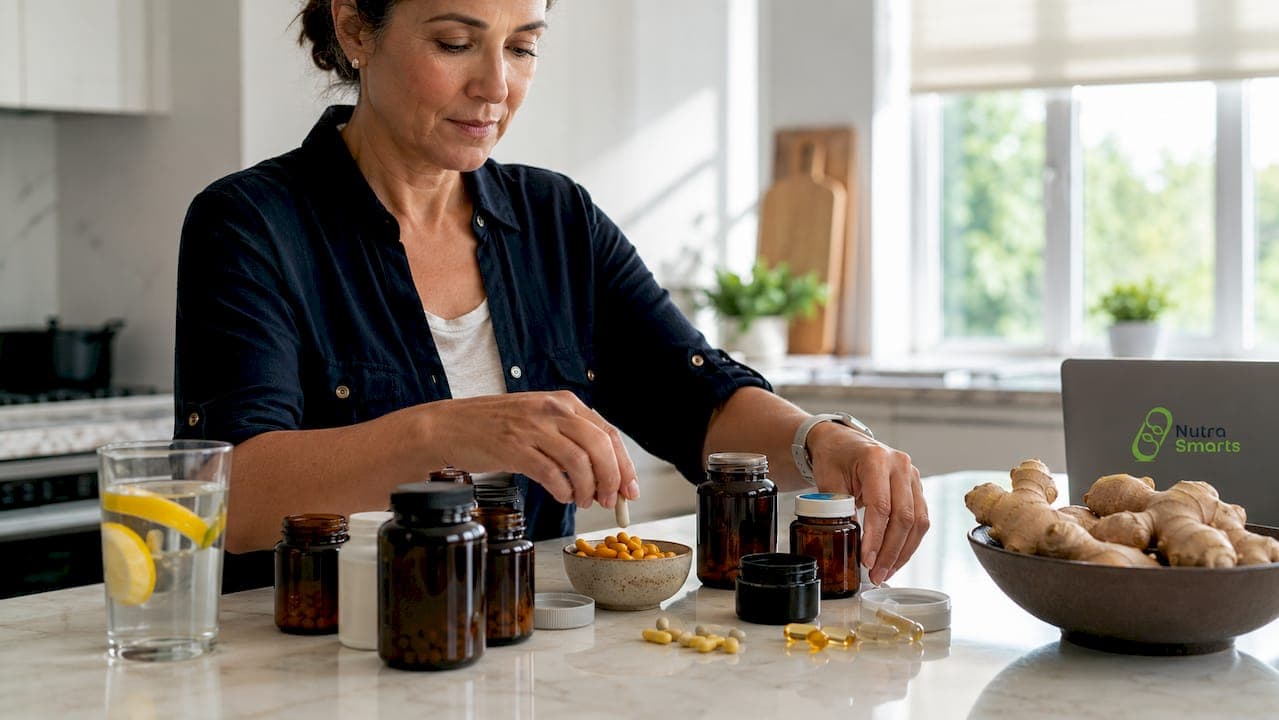
Natural anti-inflammatory supplements are plant-derived or food-based compounds that reduce chronic inflammation by targeting specific molecular pathways, including NF-κB, COX-2, and 5-LOX. The strongest clinical evidence supports curcumin, omega-3 fatty acids (EPA and DHA), and boswellia serrata as the leading natural anti-inflammatory supplement examples. Each works through a distinct mechanism, which means choosing the right one depends on your specific inflammation driver. This article covers dosing, bioavailability, and how to combine these compounds for better results.
1. What are the top natural anti-inflammatory supplement examples?
Curcumin, omega-3 fatty acids, and boswellia serrata are the three most clinically supported natural anti-inflammatories available today. Each targets a different part of the inflammatory cascade, which is why they are often used together.
Curcumin (turmeric extract)
Curcumin blocks both NF-κB and COX-2, two of the most central switches in the inflammatory process. A meta-analysis of 3,271 participants found effect sizes of -0.74 for CRP, -1.07 for IL-6, and -1.92 for TNF-α with curcumin supplementation. Those numbers are clinically meaningful, especially for people over 45 managing joint pain or metabolic inflammation. A separate RCT with 367 patients found that curcumin matched ibuprofen for knee osteoarthritis pain reduction at four weeks, with better gastrointestinal tolerability.
The catch is absorption. Standard curcumin powder has poor bioavailability. Piperine or phytosome formulations boost absorption up to 20x compared to plain powder. Always check the label for these delivery systems before buying. Nutrasmarts covers curcumin dosage and forms in detail for readers who want to compare options.
Omega-3 fatty acids (EPA and DHA)
Omega-3s work differently from most anti-inflammatories. Rather than simply blocking inflammatory signals, they produce specialized pro-resolving mediators that actively shut off inflammatory cascades. That is a fundamentally different mechanism from NSAIDs, which only block. The clinical dose range is 1,000–3,000 mg of combined EPA and DHA daily, with higher-EPA formulations preferred for cardiovascular and metabolic inflammation. Fish oil quality and triglyceride form matter significantly for absorption. Nutrasmarts provides a full breakdown of EPA and DHA guidelines for practical reference.
Boswellia serrata
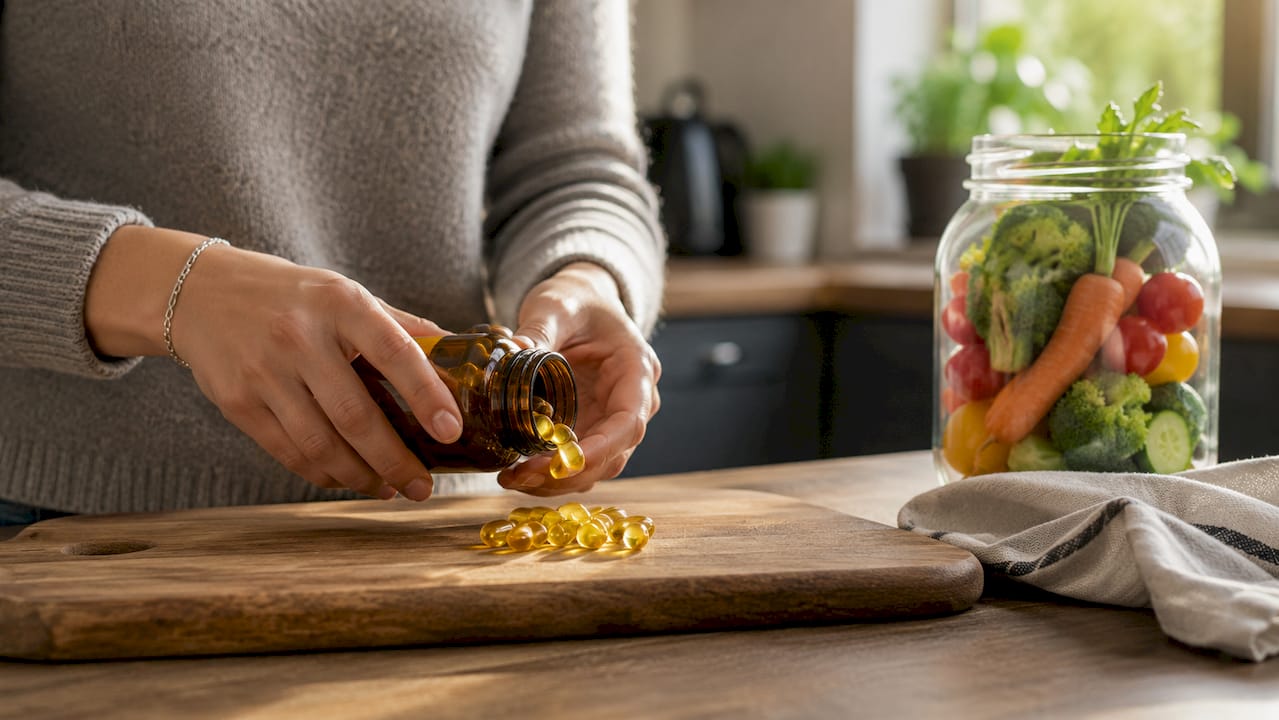
Boswellia targets the 5-LOX pathway, which is the primary driver of joint inflammation. Standardized extracts containing 30% AKBA at 100–500 mg daily reduce osteoarthritis pain consistently over six months in meta-analyses. This makes boswellia the most targeted option for people dealing specifically with joint pain rather than systemic inflammation. Nutrasmarts has a dedicated page on boswellia serrata benefits with clinical citations for readers who want the full evidence picture.
Pro Tip: Always prioritize formulation over price. A curcumin supplement without piperine or a phytosome delivery system is unlikely to produce measurable results, regardless of the dose on the label.
2. Which additional herbal anti-inflammatory remedies support targeted wellness goals?
Beyond the top three, several plant-based compounds offer meaningful anti-inflammatory benefits for specific health goals. These are not second-tier options. They address pathways that curcumin, omega-3s, and boswellia do not fully cover.
-
Quercetin: Quercetin stabilizes mast cells and inhibits multiple inflammatory signaling pathways. Studies use doses of 500–1,000 mg daily and show benefits for allergy-driven inflammation and gut-immune modulation. Quercetin is often paired with bromelain, a pineapple-derived enzyme, because bromelain improves quercetin absorption and adds its own anti-inflammatory activity.
-
Resveratrol: Found in grape skins and Japanese knotweed, resveratrol activates sirtuins, proteins linked to cellular stress resistance and longevity. Its anti-inflammatory effects are strongest in metabolic contexts, including blood sugar regulation and cardiovascular health.
-
EGCG (green tea extract): Epigallocatechin gallate, the primary catechin in green tea, modulates the gut microbiome and reduces inflammatory cytokine production. It also supports metabolic health, making it a practical choice for people managing weight-related inflammation.
-
Ginger: Ginger inhibits both COX-2 and 5-LOX, giving it a dual mechanism similar to combining curcumin and boswellia in a single herb. Clinical trials support its use for osteoarthritis pain and post-exercise muscle soreness. Typical doses in studies range from 500–2,000 mg of standardized extract daily.
-
Bromelain: This enzyme from pineapple reduces tissue swelling and supports recovery from injury or surgery. It works best on an empty stomach when used for systemic anti-inflammatory effects rather than digestive support.
Each of these compounds addresses inflammation from a different angle. Quercetin and EGCG are particularly useful for gut and immune-driven inflammation. Ginger and bromelain are better suited for musculoskeletal pain and recovery.
3. How to choose and combine anti-inflammatory supplements effectively
Matching the supplement to the inflammation type is the most important decision you will make. Targeting the correct inflammatory pathway determines whether a supplement works or does nothing. Boswellia is superior for 5-LOX-driven joint inflammation. Omega-3s are the strongest option for systemic CRP regulation. Curcumin covers NF-κB broadly, making it useful across multiple inflammation types.
-
Identify your primary inflammation driver. Joint pain points to 5-LOX and COX-2 pathways. Systemic inflammation (elevated CRP, metabolic syndrome) responds best to omega-3s and curcumin. Gut or allergy-related inflammation calls for quercetin and EGCG.
-
Consider multi-ingredient formulas. Combining curcumin, boswellia, quercetin, and ginger addresses multiple pathways simultaneously. Single-ingredient supplements often miss the complexity of chronic inflammation, which rarely involves just one pathway.
-
Prioritize bioavailability at every step. Curcumin needs piperine or a phytosome form. Quercetin absorbs better with bromelain. Fat-soluble compounds like resveratrol and EGCG absorb better taken with a meal containing healthy fats.
-
Set realistic timelines. Clinical benefits from natural anti-inflammatory supplements typically appear after 2–4 weeks, with maximal effects at 8–12 weeks. Stopping after two weeks because you feel no change is the most common mistake.
-
Layer supplements with lifestyle changes. Diet, sleep, and exercise are not optional add-ons. They are foundational. Supplements work best when inflammation from lifestyle sources is already being reduced.
Pro Tip: If you are managing more than one inflammation-related condition, use Nutrasmarts' anti-inflammatory supplement reviews to cross-reference clinical evidence for each ingredient before stacking.
4. Best practices and safety tips for using natural anti-inflammatory supplements
Natural does not mean risk-free. Every compound on this list carries real considerations for dosing, timing, and drug interactions.
-
Dosing windows matter. Curcumin with piperine is best taken with food to improve absorption. Boswellia is also fat-soluble and should be taken with a meal. Omega-3s are most stable when taken with the largest meal of the day to reduce fishy aftertaste and improve uptake.
-
Drug interactions are real. Turmeric and ginger interact with blood thinners and several prescription medications. Anyone on anticoagulants like warfarin or antiplatelet drugs should consult a physician before adding these supplements. Quercetin can also affect drug metabolism through CYP enzyme pathways.
-
Special populations need extra caution. Pregnant people should avoid high-dose curcumin and ginger supplements, as both have uterine-stimulating effects at therapeutic doses. People with autoimmune conditions or gastrointestinal inflammatory diseases should treat natural supplements as adjuncts, not replacements for prescribed treatment.
-
Quality and standardization vary widely. Look for supplements standardized to active compound percentages: curcumin at 95% curcuminoids, boswellia at 30% AKBA, and EGCG at 45–50% catechins. Products without standardization markers are unlikely to deliver consistent results.
-
Know when to escalate. If inflammation symptoms worsen, do not respond after 12 weeks of consistent use, or are accompanied by fever, significant weight loss, or organ-specific symptoms, see a physician. Supplements are not a substitute for diagnosis.
You can also explore supplements by symptom on Nutrasmarts to find options matched to your specific health concern, from joint pain to gut inflammation.
Key takeaways
The most effective natural anti-inflammatory supplements target specific molecular pathways, require bioavailability-optimized formulations, and deliver maximal results after 8–12 weeks of consistent use.
| Point | Details |
|---|---|
| Top three supplements | Curcumin, omega-3s, and boswellia have the strongest clinical evidence for reducing inflammation. |
| Bioavailability is non-negotiable | Curcumin without piperine or a phytosome form will not absorb well enough to produce results. |
| Match supplement to pathway | Boswellia targets joints via 5-LOX; omega-3s regulate systemic CRP; curcumin covers NF-κB broadly. |
| Expect gradual results | Clinical benefits appear in 2–4 weeks, with full effects at 8–12 weeks of consistent use. |
| Safety requires physician input | Blood thinners, pregnancy, and autoimmune conditions all require medical review before starting. |
What Nutrasmarts has learned about real-world supplement use
Most people approach anti-inflammatory supplements the same way they approach pain medication: take it, wait for it to work, stop if it does not. That mindset produces consistent disappointment.
The supplements with the strongest evidence, curcumin, omega-3s, and boswellia, are not fast-acting drugs. They shift the inflammatory environment gradually. People who see results are almost always the ones who chose the right formulation, matched it to their specific inflammation driver, and gave it a full 8–12 week trial. The ones who do not see results usually bought a cheap curcumin powder with no piperine or stopped after three weeks.
What I find most underappreciated is the pathway-matching principle. Chronic joint pain and systemic metabolic inflammation are not the same problem. Treating them with the same supplement is like using the same tool for two different jobs. Boswellia is the right call for joint-specific 5-LOX inflammation. Omega-3s are the right call for elevated CRP and cardiovascular risk. Curcumin covers a broader range but works best when bioavailability is addressed.
The other thing worth saying plainly: supplements are adjuncts. They work alongside a clean diet, adequate sleep, and regular movement. They do not replace those things. The people who get the most from natural anti-inflammatory compounds are the ones who treat them as one part of a larger approach, not a shortcut.
— Nutrasmarts
Nutrasmarts resources for managing inflammation naturally
Choosing the right anti-inflammatory supplement is easier when you have clinical evidence behind every decision. Nutrasmarts has reviewed over 110 options across the inflammation category, each linked to peer-reviewed studies and clinical trial data.
Whether you are managing joint pain, metabolic inflammation, or general immune support, the best anti-inflammatory supplements page gives you a ranked, evidence-based starting point. For a broader look at inflammation-related health goals, the metabolic health supplement reviews cover curcumin, omega-3s, and EGCG with full ingredient breakdowns. Every product listed on Nutrasmarts is evaluated against clinical evidence, not marketing claims.
FAQ
What are the best natural anti-inflammatory supplements?
Curcumin, omega-3 fatty acids (EPA and DHA), and boswellia serrata have the strongest clinical evidence. Each targets a different inflammatory pathway, making them effective individually and even more so when combined.
How long does it take for natural anti-inflammatory supplements to work?
Most people notice initial benefits within 2–4 weeks, with maximal effects reached at 8–12 weeks of consistent daily use. Stopping early is the most common reason people report no results.
Is curcumin safe to take daily?
Curcumin is well-tolerated at standard doses for most adults. It should be taken with a bioavailability enhancer like piperine, and people on blood thinners or with liver conditions should consult a physician before use.
Can I combine multiple anti-inflammatory supplements?
Yes, and multi-ingredient formulas often outperform single-ingredient supplements because chronic inflammation involves multiple pathways. Combining curcumin, boswellia, quercetin, and ginger covers NF-κB, 5-LOX, and COX-2 simultaneously.
Do natural anti-inflammatory supplements interact with medications?
Turmeric, ginger, and quercetin can interact with blood thinners, antiplatelet drugs, and certain prescription medications. Always consult a physician before adding any supplement if you take regular medication.