
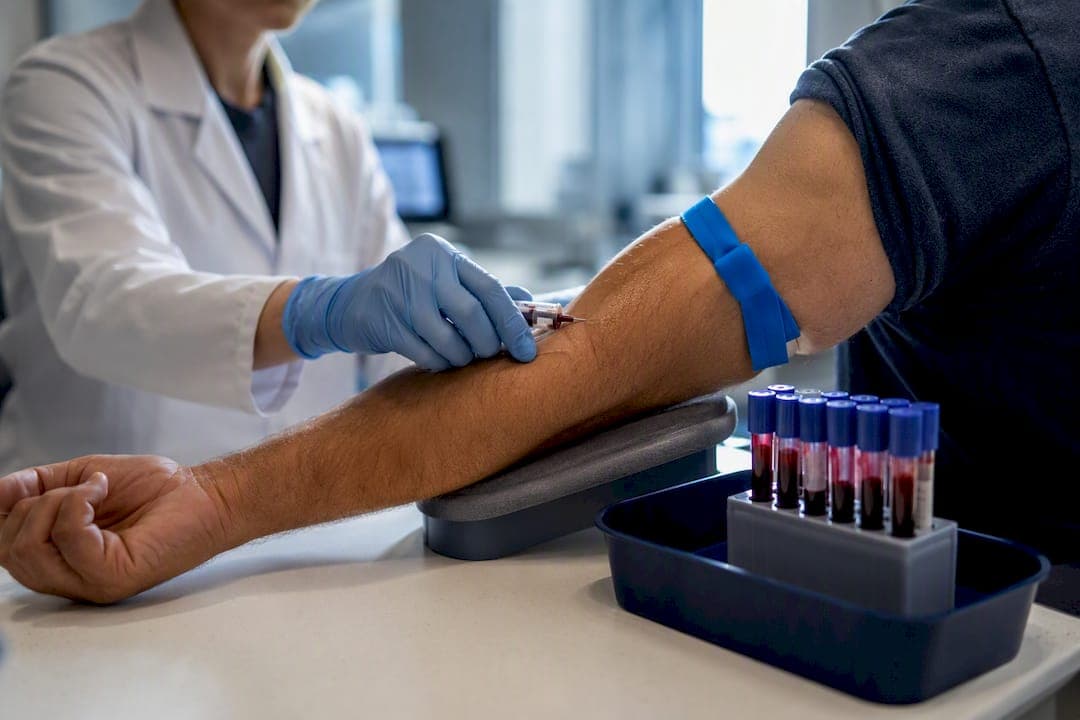
Yes, zinc deficiency commonly causes skin lesions, hair loss, impaired taste and smell, slow wound healing, and increased infections, with infants often showing persistent diarrhea and children showing growth delay. If you recognize several of these together, the next move is a clinical evaluation, not a supplement aisle guess. Diagnosis relies on a doctor's assessment plus selective lab testing, and any correction should happen under medical guidance. Severe skin breakdown, ongoing severe diarrhea, active infection, or a suspected inherited disorder needs urgent care, not a wait-and-see approach.
TL;DR:
- Zinc deficiency often presents as a cluster of symptoms affecting the skin, immune system, gut, taste, smell, and mood, with specific signs varying by age.
- Blood tests for zinc are unreliable unless symptoms and context strongly suggest deficiency, and a therapeutic trial with clinical oversight is often more conclusive.
- The primary causes include poor dietary intake, malabsorption disorders, chronic illnesses, medications, or genetic conditions like inherited acrodermatitis enteropathica.
- Correcting deficiency mostly involves dietary adjustments with zinc-rich foods, especially animal sources, and proper food preparation, alongside cautious supplementation when needed.
- Excess zinc intake over 40 milligrams daily can cause toxicity, interfere with copper absorption, and in some cases, lead to permanent loss of smell when using intranasal products.
Table of Contents
- Zinc Deficiency Symptoms by Body System
- How Zinc Deficiency Looks Different at Every Age
- What Causes Zinc Deficiency in the First Place
- Why Zinc Blood Tests Can Be Misleading
- Treating Zinc Deficiency Safely
- Preventing Zinc Deficiency Through Diet
- Using NutraSmarts to Evaluate Zinc Products and Claims
- Our Take: Symptom Patterns Beat Single Numbers
- Sources
Zinc Deficiency Symptoms by Body System
Zinc touches so many tissues that its deficiency rarely announces itself with one clean sign. It shows up as a cluster, often across skin, gut, immune function, and the senses at once. Recognizing the pattern matters more than fixating on any single symptom.
Skin, hair, and nails tend to show the most visible damage first. The classic dermatitis is periorificial and acral, meaning it clusters around the mouth, eyes, and nose, and on the hands, feet, and buttocks. It often looks psoriasiform, with scaly, reddened, sometimes crusted patches, and angular cheilitis (cracking at the corners of the mouth) is a frequent companion. Hair loss, or alopecia, can range from thinning to patchy shedding. Nails may develop Beau lines, which are horizontal ridges marking a period of growth arrest, along with paronychia, an inflamed, tender swelling around the nail fold.
Immune function and wound healing suffer because zinc is required for the cell division that skin repair and immune response depend on. People with low zinc get recurrent respiratory infections or skin infections more often than expected, and cuts or surgical wounds heal slower than they should. The Cleveland Clinic lists delayed wound healing and heightened infection susceptibility among the defining features of the deficiency, and BMJ Best Practice echoes that combination as a consistent clinical pattern across sources.
Gastrointestinal symptoms are especially important in infants, where persistent diarrhea is often the presenting sign rather than a side effect. In older children and adults, appetite loss (anorexia) shows up more than diarrhea does, and it can compound the deficiency by further reducing zinc intake, a self-feeding cycle that is easy to miss if nobody connects the dots.
Taste, smell, and mood round out the less obvious signs. Hypogeusia (blunted taste) and hyposmia (reduced smell) develop because zinc supports the taste bud and olfactory receptor turnover. Patients sometimes describe food as "flat" long before anyone thinks to check a mineral panel. Neurocognitive symptoms, including irritability and emotional lability, also appear in the clinical literature, though StatPearls notes these symptoms are frequently nonspecific, meaning they overlap with dozens of other conditions and rarely stand alone as proof of deficiency.
Reproductive effects get less attention but matter for a subset of patients. In males, zinc deficiency has been linked to hypogonadism and reduced sperm count. In pregnancy, maternal zinc status carries implications for fetal growth, which is one reason clinicians pay closer attention to at-risk pregnant patients.
Here's the fuller symptom cluster worth tracking if you suspect a problem:
- Periorificial or acral skin rash, often scaly or crusted
- Angular cheilitis (cracks at the mouth corners)
- Diffuse or patchy hair loss
- Beau lines or paronychia on the nails
- Recurrent skin or respiratory infections
- Slow-healing cuts, wounds, or surgical sites
- Persistent diarrhea, especially in infants
- Loss of appetite
- Blunted taste (hypogeusia) or smell (hyposmia)
- Irritability or mood changes
- In males, reduced fertility or low sperm count
How Zinc Deficiency Looks Different at Every Age
The same underlying deficiency produces a different picture depending on how old you are and what your body is trying to build at the time.
- Infants. Persistent diarrhea is often the dominant sign, and it can trigger failure to thrive if it goes uncorrected. In infants with the inherited form, acrodermatitis enteropathica, a distinctive rash typically appears shortly after weaning from breast milk, since breast milk zinc is more bioavailable than formula or solid food zinc for a genetically compromised absorption system.
- Children. Growth delay is the hallmark here, and it is not cosmetic. StatPearls warns that untreated deficiency in children risks permanent stunting, which is why pediatricians treat unexplained growth faltering as a reason to investigate zinc status early. Delayed pubertal milestones, recurrent infections, and alopecia often accompany the growth pattern.
- Adolescents and adults. Taste and smell changes move to the front, alongside slower wound healing and the skin and nail findings described above. This age group is also where restrictive diets and gastrointestinal disease most often surface as the underlying cause.
- Older adults. Cognitive changes and poor wound healing are more prominent, partly because aging itself slows zinc absorption and partly because polypharmacy (taking several medications at once) and chronic disease raise the risk independently.
- Pregnancy. Zinc status during pregnancy affects both mother and fetus, and patients with poor diet quality, multiple gestations, or gastrointestinal disease are the ones clinicians tend to screen more carefully.
What Causes Zinc Deficiency in the First Place
Low zinc rarely comes from one single cause. It is usually the sum of intake, absorption, and loss all leaning the wrong direction at once.
Diet is the most common starting point. Animal-source foods carry the most bioavailable zinc, so diets low in meat, poultry, and shellfish increase risk. Vegetarian and vegan diets can also fall short, not just from lower intake but because plant staples like beans, grains, and legumes carry phytates, compounds that bind zinc and block its absorption in the gut.
Malabsorption disorders disrupt zinc uptake regardless of how much is in the diet. Celiac disease, Crohn's disease, and short bowel syndrome are the three most frequently cited culprits, since each damages or removes the intestinal surface area zinc needs to cross into the bloodstream.
Chronic illness and loss compound the problem. Chronic diarrhea depletes zinc directly. Chronic kidney disease, liver disease, and alcoholism all interfere with zinc metabolism or increase urinary losses.
Certain medications and products are worth checking specifically:
- Chelation therapy, which can pull zinc out along with its intended target metal
- Denture adhesives containing zinc, which sound harmless but have caused documented deficiency with heavy, prolonged use
- Some diuretics, which increase urinary zinc excretion over time
Inherited acrodermatitis enteropathica deserves its own mention because it behaves differently than acquired deficiency. It is a genetic disorder affecting zinc transport, and according to the Merck Manual, it classically appears shortly after weaning, with periorificial and acral dermatitis, paronychia, and hair loss as the telltale triad. It typically responds to 1 to 3 milligrams per kilogram of elemental zinc daily, a dosing range set by clinicians managing the inherited form specifically, not a general supplementation target.
Why Zinc Blood Tests Can Be Misleading
A single blood draw can tell you less than you'd expect. Serum and plasma zinc levels fluctuate with time of day, sex, age, and physiological stress, and infection or inflammation pushes levels down independent of how much zinc is actually stored in your tissues, according to the NIH Office of Dietary Supplements. Low albumin, common in illness or poor nutrition, adds another confounder because a portion of circulating zinc travels bound to albumin.
That variability explains why clinicians lean on more than a lab slip. A markedly low serum zinc level, interpreted alongside the right clinical picture (say, an infant with persistent diarrhea and a rash, or a patient with known Crohn's disease and new hair loss), is genuinely useful. The same test in someone with mild, ambiguous symptoms and a recent cold is much harder to interpret, since inflammation alone can drop the number without reflecting a true deficiency.
Some testing methods are simply unreliable and worth knowing to avoid:
- Urine zinc does not correlate well with tissue stores
- Hair zinc is similarly inconsistent and rarely used for diagnosis
- Isotope studies are the most accurate method available, but they're specialized and rarely accessible outside research settings
In practice, most clinicians combine targeted testing with a detailed dietary and medical history, and in ambiguous cases, a supervised therapeutic trial of zinc can serve as both diagnosis and treatment: if symptoms improve, that itself is informative.
Why the 40 mg number matters here too: the Tolerable Upper Intake Level for adults is 40 milligrams per day, and it functions as a safety ceiling clinicians keep in mind even during diagnostic supplementation trials. Testing and treatment decisions both get made with that number as a backstop, not just as an afterthought once treatment starts.
Treating Zinc Deficiency Safely
Correcting a real deficiency starts with the diet, not a bottle. If dietary intake looks adequate and gut absorption seems normal, clinicians look harder for an underlying cause, malabsorption, chronic illness, or medication effects, before defaulting to supplementation.
When oral zinc supplementation is warranted, it should happen under clinician supervision rather than as a self-directed decision, particularly because dosing needs vary so much by cause. The inherited form, acrodermatitis enteropathica, uses a specific therapeutic range of 1 to 3 mg/kg of elemental zinc daily, referenced from the Merck Manual, while acquired deficiency from diet or malabsorption is typically corrected with lower, more conservative doses tailored to the individual case.
Excess zinc carries real risks, and the timeline matters. Acute overdose, often from high supplemental doses, causes nausea, vomiting, and gastric distress within hours, according to MedlinePlus. Chronic high intake is the more insidious risk: sustained doses can interfere with copper absorption, leading to copper deficiency, and may lower HDL cholesterol over time.
Two thresholds worth keeping in mind:
- The adult Tolerable Upper Intake Level sits at 40 mg/day
- Intakes of 50 mg/day or higher, sustained over weeks, are associated with rising toxicity concerns, including the copper interaction noted above
Nasal zinc products deserve a specific warning of their own: they have been linked to loss of smell (anosmia), sometimes permanently, which is why the FDA pulled several intranasal zinc cold remedies from the market years ago. That risk sits alongside, not below, the GI and copper risks from oral overdose. It is not a lesser concern just because it comes from a spray instead of a pill.
Zinc also interacts with iron and magnesium absorption when taken in large amounts simultaneously, which is another reason clinicians prefer measured, monitored dosing over stacking supplements independently. If you're researching specific forms, zinc gluconate, zinc citrate, zinc picolinate, and zinc bisglycinate all differ slightly in absorption and gut tolerance, details worth reviewing before choosing one.
Pro Tip: If you've been on zinc supplements for more than a few weeks, ask your clinician to check copper status alongside any zinc recheck. Track how your symptoms are actually resolving, not just whether a lab number moved, since serum zinc's variability means the number alone can mislead in either direction.
Preventing Zinc Deficiency Through Diet
The most reliable prevention strategy is simply eating foods where zinc is both present and well absorbed. Oysters top the bioavailability list by a wide margin, followed by red meat, poultry, and other shellfish, food sources the NIH Office of Dietary Supplements points to as the most efficiently absorbed.

Plant-based zinc sources, beans, lentils, nuts, and whole grains, contain meaningful amounts, but phytates in those same foods bind zinc and blunt absorption. Soaking, sprouting, and fermenting grains and legumes measurably reduce phytate content, which is part of why traditional food preparation methods like sourdough fermentation or overnight bean soaking aren't just culinary habits. They're practical absorption fixes.
A few habits make a real difference for people on plant-forward diets:
- Pair zinc-containing plant foods with a small amount of animal protein when possible
- Soak or sprout beans, lentils, and grains before cooking
- Choose fermented grain products (like true sourdough bread) over quick-rise alternatives
- Space zinc-rich meals apart from very high-fiber, high-phytate meals when trying to maximize a single dose
Pregnant people, older adults, and anyone on a restrictive diet fall into higher-risk categories worth extra attention, and dedicated resources on deficiency risk by group can help map personal risk factors more precisely. If dietary changes alone don't resolve symptoms, that is the point to discuss supervised supplementation with a clinician rather than self-dosing.
Using NutraSmarts to Evaluate Zinc Products and Claims
Nutrasmarts builds its zinc ingredient page around clinical citations rather than marketing claims, covering dosing ranges, safety data, and how different zinc salts compare. If you're trying to decide between forms, pages for zinc gluconate, zinc citrate, and zinc bisglycinate break down absorption and tolerability differences form by form.
Because long-term zinc use raises copper interaction concerns, the copper ingredient page is worth reading alongside any zinc research, especially if you're on a supplement regimen longer than a few weeks. The broader deficiency symptom guide works the same way, matching symptom clusters to the deficiencies most likely to cause them, so you're not diagnosing from a single sign in isolation. None of these tools replace a clinician's evaluation. They're built to make the conversation with one more informed.
Our Take: Symptom Patterns Beat Single Numbers
The conventional advice on zinc deficiency leans too hard on one lab value, and that habit sets people up to either dismiss real deficiency or chase a normal number while symptoms persist. The evidence here points somewhere more useful: pattern recognition. A rash around the mouth plus hair thinning plus a cold that will not go away tells you more than a single serum zinc reading drawn on a bad day.
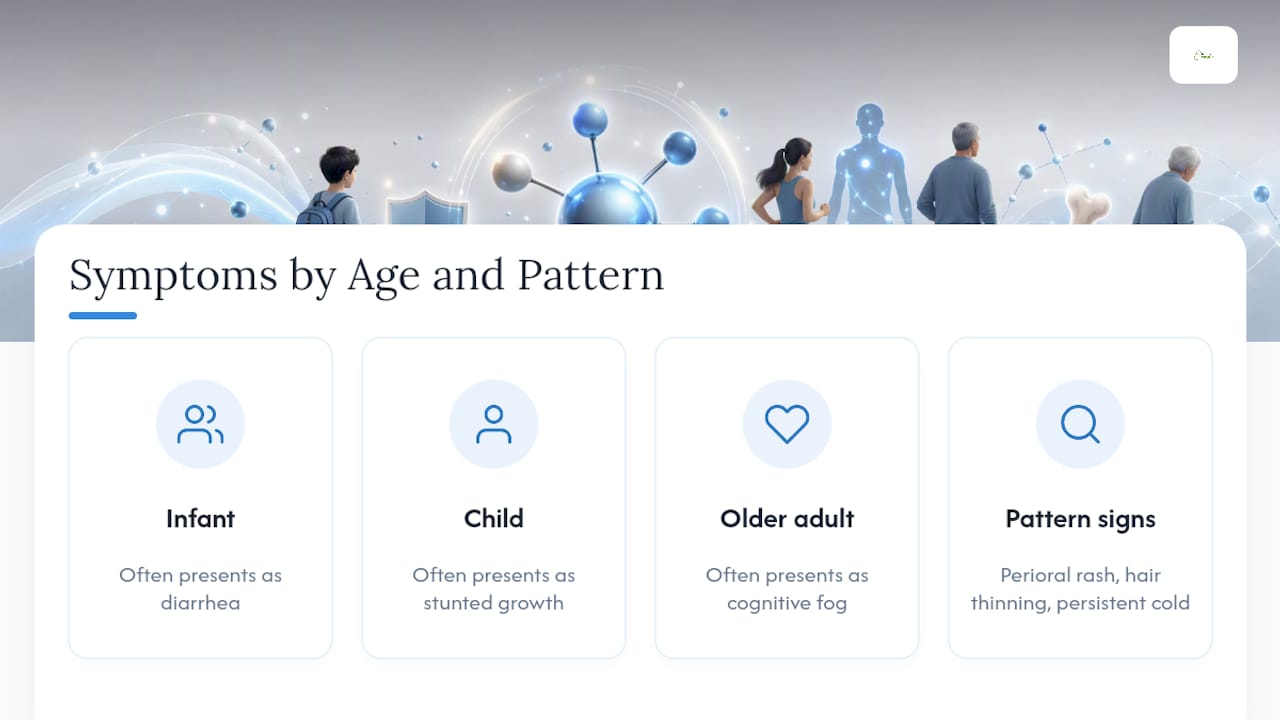
What's genuinely underrated is age context. The same deficiency looks like diarrhea in an infant, stunted growth in a child, and cognitive fog in an older adult, and treating all three as one generic checklist misses how presentation actually shifts across a lifespan.
Our priority for readers is simple: describe your full symptom picture to a clinician before reaching for a high-dose supplement. Use evidence-linked resources to understand what you're taking and why, but let clinical judgment, not a single test or a bottle label, drive the decision to treat.
— NutraSmarts
This article is general information, not a substitute for advice from a qualified doctor. Consult a qualified healthcare professional about your own circumstances before acting on anything here.
Sources
- Zinc Deficiency: Symptoms, Causes & Treatment — Cleveland Clinic
- Zinc — Health Professional Fact Sheet — NIH Office of Dietary Supplements
- Zinc Deficiency — Merck Manual Professional
- Zinc Deficiency — StatPearls (NCBI Bookshelf)
- Zinc deficiency — MedlinePlus