
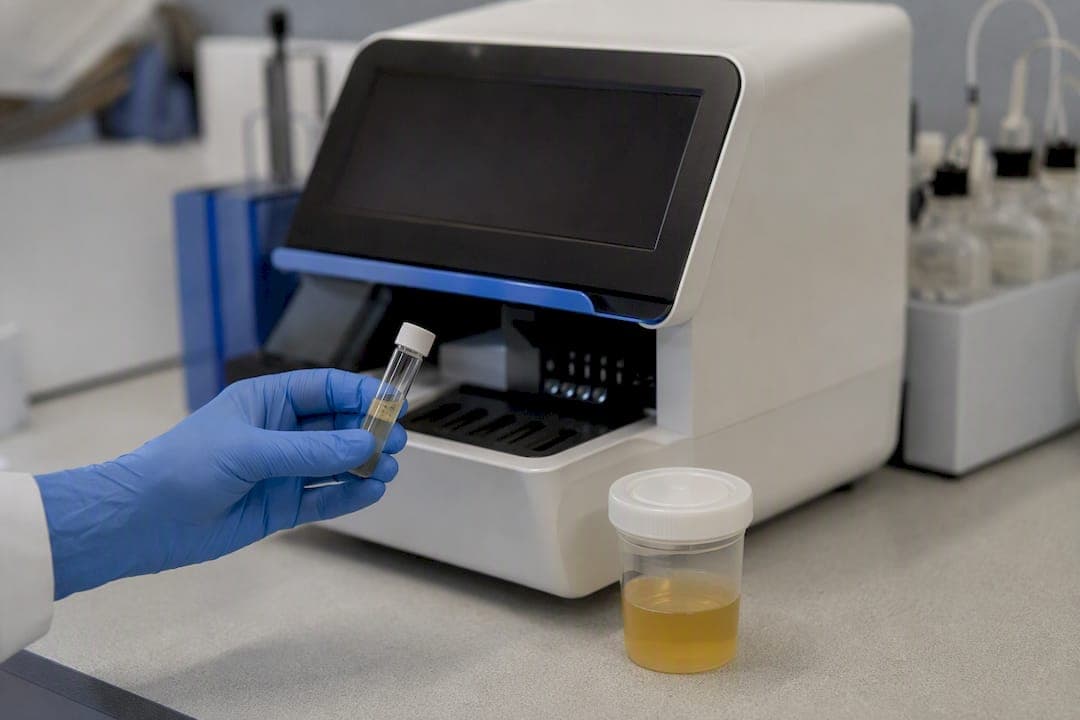
Short answer: for healthy adults, creatine at standard doses has not been shown to damage kidney function. That conclusion comes from systematic reviews and meta-analyses tracking supplementation for up to five years, plus guidance from Mayo Clinic and ingredient data compiled by Nutrasmarts. Creatine kidney safety isn't really in dispute among researchers who study it directly. The confusion comes from lab tests, not kidneys.
Here's the part most articles skip: creatine supplementation can raise your serum creatinine number on a standard blood panel. That's expected biochemistry, not evidence of kidney injury. Creatine breaks down into creatinine as a normal metabolic byproduct, and the more creatine you're carrying, the more creatinine your body produces. A doctor unaware of your supplement habit might see that number tick up and assume something's wrong with your kidneys, when nothing is.
The caveat that actually matters: evidence in people with existing chronic kidney disease (CKD) or advanced kidney impairment is thin. Trials in that population are small, and clinical caution is warranted.
Two things to do right now if you're starting or already taking creatine:
- Check that your product has third-party testing (look for NSF Certified for Sport, USP Verified, or Informed-Sport seals) to rule out contamination as a real risk factor.
- If you have diabetes, hypertension, existing kidney disease, or a family history of renal problems, get baseline kidney labs before you start, and ask your clinician which markers to track.
Key Takeaways
Creatine monohydrate at 3 to 5 grams daily has not been shown to impair kidney function in healthy adults, but serum creatinine can rise for metabolic reasons unrelated to renal damage.
| Point | Details |
|---|---|
| Kidney function stays stable | Measured GFR shows no significant change in pooled trial data, even when serum creatinine rises slightly. |
| Creatinine rise is metabolic | Creatine breaks down into creatinine naturally, which can skew creatinine-based eGFR without reflecting real kidney injury. |
| CKD evidence remains limited | People with existing kidney disease should get clinician guidance and monitoring before supplementing. |
| Contamination is the bigger risk | Third-party tested, single-ingredient monohydrate products reduce real-world kidney risk more than dosing changes do. |
| Nutrasmarts links primary research | The creatine monohydrate ingredient page connects dosing guidance directly to the peer-reviewed studies behind it. |
This article is general information, not a substitute for advice from a qualified doctor. Consult a qualified healthcare professional about your own circumstances before acting on anything here.
Table of Contents
- Creatine Kidney Safety: What the Research Actually Shows
- Why Does Creatine Raise Creatinine Levels?
- What Do Clinical Trials Say About Creatine and Kidney Function?
- Who Should Be Cautious or Get Monitored on Creatine?
- How Much Creatine Should You Take, and for How Long?
- Which Kidney Tests Should You Ask For While Supplementing?
- Is the Supplement or the Contamination the Real Kidney Risk?
- Your Step-by-Step Plan for Safe Creatine Use
- Where NutraSmarts Fits Into Your Research
- Where We Land on Creatine and Kidney Safety
- Ready to Dig Into the Research Yourself?
- Sources
Creatine Kidney Safety: What the Research Actually Shows
The pooled data on creatine kidney safety is more consistent than the internet debate around it suggests. A systematic review and meta-analysis evaluating standard dosing of 3 to 5 grams per day found no adverse effect on kidney function in healthy individuals, with safety data extending out to five years of continuous use. That's a longer observation window than most supplement ingredients get.
A separate meta-analysis of renal markers drills into the specifics: no statistically significant difference in measured GFR, the actual gold-standard indicator of filtration capacity. Urea and proteinuria, two other markers of kidney stress, also showed no meaningful shift. The one value that moved was serum creatinine, and even there, the increase was small.
This is the distinction that gets lost in casual conversations about "is creatine safe for kidneys." A rise in serum creatinine is not the same thing as a decline in kidney function. Measured GFR, the metric that reflects how well your kidneys are actually filtering blood, stayed flat across pooled trial data. Serum creatinine moved because creatine metabolism produces more of it, not because nephrons were under strain.
What the numbers tell you, and what they don't:
- Standard dosing across most trials is within a typical range used for creatine monohydrate supplementation.
- Long-term safety data has been documented in healthy populations for an extended period.
- Kidney filtration (measured GFR): no significant change reported in pooled analyses.
- Serum creatinine: small increases observed, attributable to metabolic turnover rather than renal damage.
- Population caveat: the bulk of this evidence comes from healthy adults, not people with pre-existing kidney disease.
Duration matters here too. Some pooled analyses report that creatinine increases tend to plateau after the first few weeks of supplementation, once the body reaches a new steady state of creatine and its breakdown product. That pattern is consistent with a predictable metabolic adjustment, not a progressive injury that would worsen the longer you stayed on the supplement.
There's also a difference between statistical significance and clinical significance that's worth sitting with. A meta-analysis pooling hundreds of participants can detect a creatinine bump so small it barely moves the needle in a physiology sense, yet the statistics still flag it as "significant" because the sample size is large enough. That's a math artifact, not a health warning. Clinically, what matters is whether kidney filtration capacity changes, whether protein starts leaking into urine, or whether markers like cystatin C shift. On those fronts, the evidence stays quiet.
Where the evidence genuinely thins out is in people who already have compromised kidney function. Most RCTs recruit healthy, active adults, sometimes athletes or older adults doing resistance training, and researchers have not run large, long-duration trials in CKD populations. A narrative review examining this gap concludes that while the case against creatine in healthy people doesn't hold up, caution and clinical supervision remain appropriate for anyone with diagnosed kidney disease.
Why Does Creatine Raise Creatinine Levels?
Creatine and creatinine are linked by a simple, predictable chemical reaction — for more about creatine's effects beyond muscle, including on bones, see creatine for bone health. Your muscles store creatine as phosphocreatine, and a small fraction of it breaks down every day into creatinine, a waste product your kidneys filter out and excrete in urine. When you supplement with creatine, your total body pool goes up, so the amount that degrades into creatinine goes up too. Your kidneys aren't working harder or filtering worse. They're just processing a bit more of a normal byproduct.
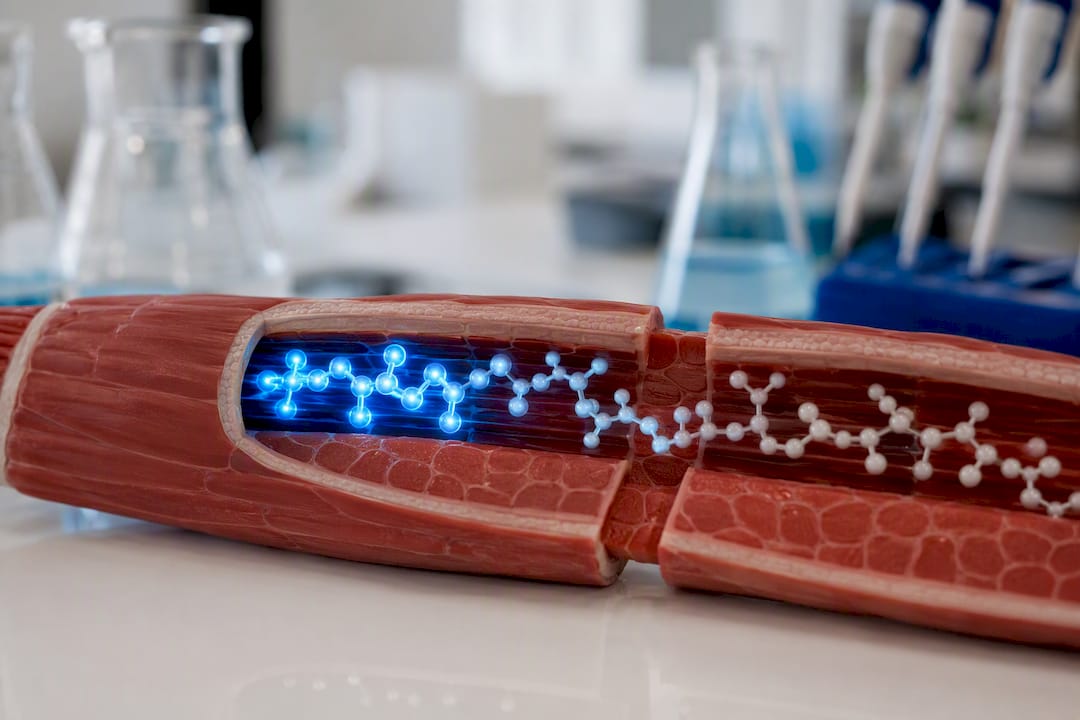
This matters because most routine kidney panels don't measure filtration directly. They estimate it using a formula called eGFR (estimated glomerular filtration rate), which relies heavily on your serum creatinine value plus factors like age and sex. When creatine supplementation pushes creatinine up, the eGFR formula can spit out a lower number, one that looks like reduced kidney function on paper even though actual filtration hasn't changed. A narrative review in Nutrients lays this mechanism out clearly: elevated creatine intake increases creatinine production independent of any change in glomerular filtration.
This is exactly the scenario that generates false alarms in clinical settings. A paper examining creatinine test limitations points out that clinicians unaware of a patient's supplement habits can misread a normal physiologic increase as evidence of renal impairment. If your doctor doesn't know you take creatine, a lab result showing elevated creatinine might trigger unnecessary follow-up testing or worry.
Two lab options sidestep this confounding entirely. Cystatin C is a protein produced by nearly all cells in the body at a constant rate, and it isn't influenced by muscle mass or creatine intake, which makes it a more reliable marker for people who supplement. Measured GFR (mGFR), using an exogenous tracer like iohexol or Cr-EDTA, directly measures how fast your kidneys clear a substance from your blood rather than estimating it from a formula. It's more expensive and less commonly ordered, but it removes the creatinine confounding problem entirely.

Pro Tip: If you get bloodwork done while supplementing, tell your provider before they order the panel. A short heads-up like "I take creatine, so my creatinine may run slightly higher than usual" can prevent an unnecessary referral or repeat testing.
What Do Clinical Trials Say About Creatine and Kidney Function?
The strongest evidence on creatine and kidney health doesn't come from anecdotes or forum threads. It comes from randomized controlled trials and the systematic reviews that pool them together.
- Systematic reviews and meta-analyses of RCTs consistently report no adverse effect on kidney function at standard doses across healthy populations, with some data extending to five years of use, as documented in the pooled analysis on kidney function.
- Trials measuring GFR directly, rather than relying on creatinine-based estimates, found no significant decline, reinforcing that the small creatinine increases seen elsewhere reflect metabolism rather than injury.
- Small studies in hemodialysis and CKD populations report no major adverse events, but sample sizes remain limited, according to a systematic review and meta-analysis on kidney health, meaning the evidence base for at-risk groups is thinner than for healthy adults.
The trials that hold the most weight share a few features: they use standard doses (3 to 5 grams daily, sometimes preceded by a short loading phase), they run for weeks to months rather than days, and they measure multiple kidney markers rather than relying on creatinine alone.
So where did the fear come from in the first place? Largely from older case reports and animal studies, the kind of evidence that generates hypotheses but doesn't confirm them. A narrative analysis tracing the history of this concern found that the alarm around creatine and kidney failure traces back to isolated case reports, often involving people with pre-existing conditions or other confounding factors, combined with a basic misreading of what a creatinine rise means.
Case reports are useful for generating questions, not answering them. A single patient with kidney problems who also happened to take creatine tells you almost nothing about causation, especially when that person had other risk factors present. Randomized trials with control groups, standardized dosing, and multiple kidney markers are the tool built to answer whether creatine itself causes harm. On that tool, the signal has stayed flat.
The honest limitations worth naming: many trials run for a matter of months rather than years, which leaves room for questions about very long-term use. Kidney function measurement also varies across studies (some use eGFR, some use measured GFR, some track proteinuria, some don't), which makes clean comparisons harder. None of that overturns the overall pattern. It just means the evidence, while consistent, isn't infinite.
Who Should Be Cautious or Get Monitored on Creatine?
Not everyone falls into the same risk bucket, and pretending otherwise does readers a disservice. A few groups deserve a more careful, monitored approach to creatine supplementation rather than a blanket green light.
People with diagnosed CKD, a single kidney, or reduced renal reserve from any cause sit at the top of that list. Evidence in these populations remains limited to small trials, mostly in hemodialysis patients, and while those studies haven't flagged major adverse events, the sample sizes are too small to call the question settled. Older adults with multiple comorbidities (diabetes plus hypertension plus kidney impairment, for instance) and anyone taking nephrotoxic medications, including certain NSAIDs or specific classes of antibiotics, also warrant a conversation with a clinician before starting.
- Get baseline labs (creatinine, eGFR, and ideally cystatin C or urine albumin-to-creatinine ratio) before starting if you fall into a higher-risk category.
- Recheck kidney markers around 4 to 8 weeks after starting, then periodically if you continue long-term.
- Stop and consult a nephrologist if you notice swelling, reduced urine output, or unexplained fatigue alongside abnormal lab results.
Pro Tip: If you're on any prescription medication, especially blood pressure drugs or NSAIDs taken regularly, mention creatine to your prescriber even if you feel fine. Drug interactions are rare, but your clinician can only account for what they know you're taking.
How Much Creatine Should You Take, and for How Long?
The dosing question has a straightforward, well-supported answer: 3 to 5 grams of creatine monohydrate per day for maintenance, taken consistently, is the regimen behind nearly all the long-term safety data discussed above. This is also the dose most efficacy trials use, so it does double duty covering both performance benefits and the safety record.
Some people opt for a loading phase, typically 20 grams per day split into four doses for 5 to 7 days, before dropping to the standard maintenance dose. Loading saturates muscle creatine stores faster, but it isn't required. Skipping the loading phase and going straight to 3 to 5 grams daily gets you to the same saturation point, just over a few weeks instead of a few days.
- Maintenance dose: 3 to 5 grams per day, taken indefinitely if tolerated well.
- Loading dose (optional): roughly 20 grams per day for 5 to 7 days, then drop to maintenance.
- Form: creatine monohydrate has the deepest and most consistent safety and efficacy data of any creatine form.
- Alternative forms: creatine HCL and other buffered variants are marketed on claims of better absorption or fewer digestive side effects, but the long-term kidney safety data behind them is far thinner than what exists for monohydrate.
If you're deciding between forms, the comparison between creatine monohydrate and creatine HCL breaks down where the evidence gaps actually sit. For most people, sticking with monohydrate isn't a compromise. It's the option with the most trial-years behind it.
Which Kidney Tests Should You Ask For While Supplementing?
If you want an accurate read on your kidney function while taking creatine, the standard creatinine-based blood panel isn't your best tool. A few alternative or supplementary tests give a clearer picture.
- Cystatin C is a blood marker unaffected by muscle mass or creatine intake, making it a more reliable filtration indicator for anyone who lifts weights or supplements regularly. Combining it with creatinine, rather than relying on creatinine alone, improves diagnostic accuracy according to research on kidney health assessment methods.
- Urine albumin-to-creatinine ratio (UACR) checks for protein leakage, an early sign of kidney stress that creatine supplementation has not been shown to cause in trial data, but that's still worth ruling out if you have other risk factors.
- Measured GFR (mGFR), using an exogenous tracer, is the most direct way to assess filtration capacity when it's available, though it's less commonly ordered outside of specialist nephrology settings due to cost and complexity.
The core problem with relying on standard eGFR alone is that the formula assumes your creatinine level reflects only kidney filtration, when in your case, part of it reflects supplement use. That's not a flaw in the test for the general population. It's a mismatch when applied to someone with an elevated creatine intake.
Pro Tip: Next time you're at a checkup, try this exact phrasing: "I take creatine supplements regularly. Could you order a cystatin C test or a measured GFR alongside my standard panel to get a clearer picture of my kidney function?" Most clinicians will recognize the request and can order it without pushback.
Is the Supplement or the Contamination the Real Kidney Risk?
Here's an uncomfortable truth that gets buried under all the creatine-and-kidneys debate: the ingredient itself is well studied and appears safe at standard doses, but the supplement industry's quality control is not uniformly strong. Contaminated or mislabeled products, not the creatine molecule, represent the more realistic kidney risk for regular users.
A review of supplement contamination and quality concerns points to heavy metals, unlabeled pharmaceutical compounds, and undisclosed fillers as recurring issues across the supplement market, particularly in products that skip third-party verification. These contaminants can carry genuine renal risk, which makes product quality a more actionable concern than the creatine itself.
- Look for third-party certification seals: NSF Certified for Sport, USP Verified, or Informed-Sport are the three programs with the most rigorous testing standards.
- Ask the brand for a Certificate of Analysis (COA) if one isn't posted publicly. Legitimate manufacturers make this available on request.
- Choose single-ingredient creatine monohydrate over proprietary blends, where undisclosed additives can hide behind vague labeling.
- Skip products that don't list exact milligram amounts per ingredient. Vague "proprietary formula" labeling is a red flag, not a selling point.
You can dig deeper into contamination risks and certification standards through this guide on why third-party testing matters, and Nutrasmarts' roundup of kidney and urinary tract supplements covers related quality concerns for anyone shopping this category more broadly.
| Point | Details |
|---|---|
| Third-party certification | NSF, USP, and Informed-Sport programs test for contaminants that pose real kidney risk. |
| Certificate of Analysis | Reputable brands provide a COA on request, confirming ingredient purity and dosage accuracy. |
| Single-ingredient products | Choose plain creatine monohydrate over blends with undisclosed additives. |
Your Step-by-Step Plan for Safe Creatine Use
Putting this all together gives you a workable checklist rather than a vague reassurance.
- Review your medical history. If you have CKD, diabetes, hypertension, or take medications that affect kidney function, talk to your clinician before starting.
- Get baseline labs if you're in a higher-risk category. Creatinine, eGFR, and ideally cystatin C give you a reference point to compare against later.
- Choose your dosing approach. Skip the loading phase unless you need faster saturation for a specific event; 3 to 5 grams daily gets you to the same place within a few weeks.
- Pick a third-party tested, single-ingredient monohydrate product. This addresses the more realistic risk category: contamination, not the creatine itself.
- Recheck labs at 4 to 8 weeks, then periodically if you continue long-term, especially if you have any risk factors.
- Watch for red flags, including swelling, reduced urine output, or unexplained fatigue, and stop use while you follow up with a clinician if any appear.
Pro Tip: Keep a simple log of your dose, brand, and lab dates. If a question about kidney function ever comes up, you'll have a clear timeline instead of trying to reconstruct months of supplement history from memory.
Where NutraSmarts Fits Into Your Research
Verifying claims about creatine kidney safety shouldn't require digging through academic databases you don't have access to. Nutrasmarts built its creatine monohydrate ingredient page specifically to close that gap, linking dosing summaries and safety notes directly to the peer-reviewed studies and clinical trials behind them.
For readers weighing forms, the creatine HCL profile lays out what evidence exists (and what's still missing) for that alternative compound, so you're not choosing based on marketing copy alone.
A few ways to use these resources as you make your own decision:
- Read the primary citations linked on each ingredient page rather than taking a summary at face value.
- Use the Compare Supplements tool to line up creatine forms or brands side by side before buying.
- Check the Supplement Facts label creator if you're formulating a product and need FDA-compliant labeling without spreadsheet headaches.
Evidence-first research beats hearsay every time, and having the source studies one click away is what separates a database from a marketing page.
Where We Land on Creatine and Kidney Safety
The evidence on creatine and kidney function is more settled than the ongoing internet debate suggests, and treating every creatinine fluctuation as a red flag does readers a disservice. Our stance at Nutrasmarts is straightforward: trust the randomized trials and pooled analyses over case reports and gym-forum anecdotes, but don't extend that confidence to populations the trials haven't actually studied. If you have existing kidney disease, that caution is warranted, not optional. For everyone else, the bigger practical risk sits with product quality, not the ingredient itself. Use the primary research linked throughout Nutrasmarts' ingredient pages, and loop in a clinician if your personal risk profile calls for it.
— NutraSmarts
Ready to Dig Into the Research Yourself?
If this deep dive into creatine kidney safety left you wanting the primary sources rather than someone else's summary of them, that instinct is a good one. Nutrasmarts built its creatine monohydrate ingredient page around exactly that need: dosing breakdowns, safety notes, and direct links to the clinical trials behind every claim, so you can verify things yourself instead of taking a stranger's word for it.

Beyond the ingredient page, the Compare Supplements tool lets you line up creatine forms, brands, or entirely different ingredients side by side when you're deciding what actually fits your goals. And if you're a formulator trying to get labeling right, the free Supplement Facts label creator generates FDA-compliant labels without wrestling with spreadsheets. Start with the creatine monohydrate page, follow the citations that interest you, and use the comparison tool if you're still weighing your options.
Sources
- Effect of creatine supplementation on kidney function: a systematic review and meta-analysis
- Creatine — Mayo Clinic