
Yes, certain supplements can meaningfully support liver health in fatty liver disease, but only as an add-on to weight loss and dietary change, never a substitute for them. Vitamin E, omega-3 fatty acids, choline, silymarin (milk thistle), curcumin, berberine, and specific probiotic strains have the best trial support. Some products marketed for "liver health" can actually cause liver injury, so check with your clinician and get baseline labs before starting anything.
TL;DR:
- High-dose vitamin E may improve liver inflammation in non-diabetic NASH cases, but is not recommended for diabetics or those with prostate cancer risk without medical supervision.
- Omega-3 fatty acids, especially EPA and DHA at 1 to 2 grams daily, consistently reduce liver fat and triglycerides, with fatty fish being an effective natural source.
- Choline intake below recommended levels can impair fat export from the liver, making supplementation important for vegans, pregnant women, or those with low egg or meat consumption.
- Supplements like milk thistle and curcumin require standardized extracts and proper formulation to be effective, while unstandardized products are unlikely to match clinical trial doses.
- Avoid concentrated green tea extract, unstandardized detox blends, high-dose vitamin A or niacin, and red yeast rice, as they carry significant risks of liver injury or toxicity.
Table of Contents
- What the Research Says About Fatty Liver Supplements
- Supplements to Avoid or Use With Caution if You Have Fatty Liver
- How to Trial Fatty Liver Supplements Safely
- How Strong Is the Clinical Evidence, Really?
- Our Take: Evidence Should Drive the Decision, Not the Marketing Copy
- Check the Evidence Before You Buy: NutraSmarts' Ingredient Tools
- Sources
What the Research Says About Fatty Liver Supplements
The medical term for what most people call fatty liver disease is metabolic dysfunction-associated steatotic liver disease, or MASLD (formerly NAFLD). That distinction matters because the newer name reflects what researchers now understand: this is fundamentally a metabolic condition tied to insulin resistance, weight, and diet, not just a liver problem in isolation. Supplements that help tend to work by nudging metabolic markers, not by "flushing" or "detoxing" anything.
Here's the honest rundown of what the evidence actually supports, ingredient by ingredient.
Vitamin E
Vitamin E has the most rigorous trial pedigree of anything on this list, largely thanks to the PIVENS trial, which found that high-dose vitamin E improved liver inflammation in non-diabetic adults with biopsy-confirmed NASH (the more aggressive form of fatty liver disease). Doses used in that research context ran around 800 IU per day of natural alpha-tocopherol.
That number comes with real caveats. Vitamin E in that trial context applied specifically to non-diabetic patients with confirmed NASH on biopsy, and it hasn't shown the same benefit in people with diabetes-related fatty liver. Long-term high-dose vitamin E use has also raised questions in cardiovascular and prostate cancer research, which is exactly why Mayo Clinic notes it should be used under medical supervision rather than picked up over the counter on a hunch. If you have diabetes, a personal or family history of prostate cancer, or advanced fibrosis, this isn't the ingredient to self-prescribe.
Omega-3 fatty acids (EPA and DHA)
Omega-3s are the closest thing to a low-controversy pick on this list. Trials consistently show that EPA and DHA, usually dosed around 1 to 2 grams per day, reduce liver fat on imaging and improve triglycerides in people with fatty liver, according to research on nutraceutical approaches to NAFLD. The mechanism is straightforward: these fats compete with saturated fat pathways in the liver and help shift how the organ processes triglycerides.
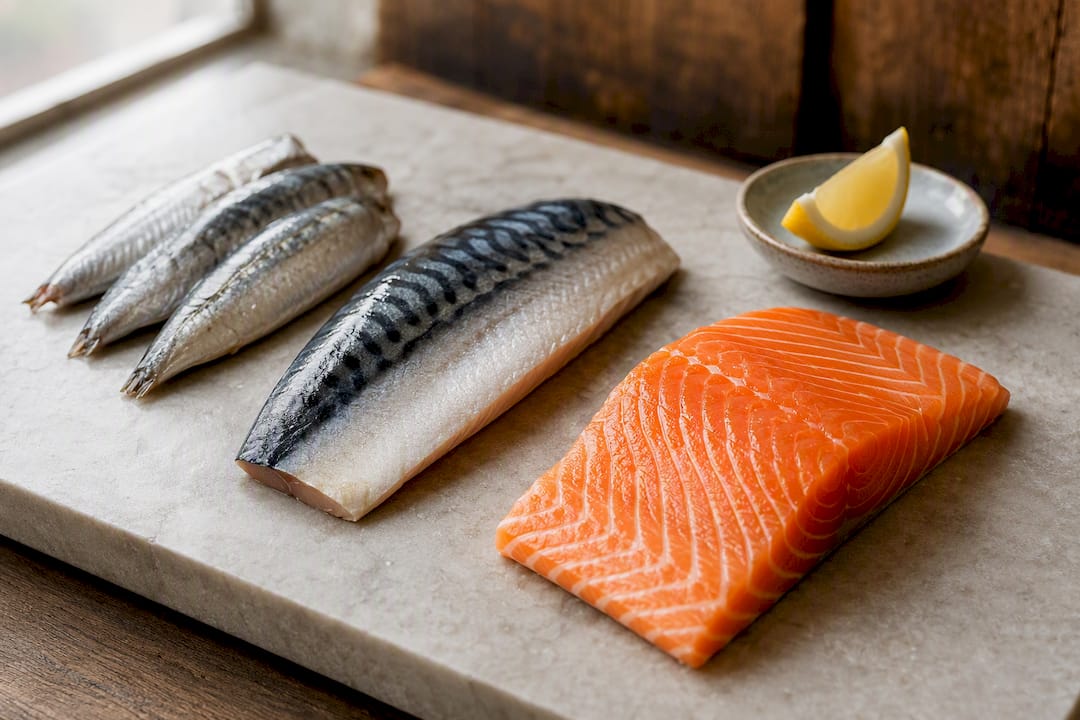
Fatty fish (salmon, mackerel, sardines) two to three times a week can get you into a comparable range without a capsule. If you're not eating fish regularly, a fish oil or algae-based supplement is a reasonable substitute, and it's worth checking that the label's EPA plus DHA content actually adds up to the trial-matched dose rather than being padded with other fish oil fractions. NutraSmarts breaks down cod liver oil dosing and research if you want to compare a specific product against what trials actually used.
Choline
Choline doesn't get the attention it deserves. It's a nutrient your liver needs to export fat as VLDL particles, and when intake is low, fat backs up in liver cells almost by mechanical necessity. Most adults, especially those following low-egg, low-meat diets, fall short of the adequate intake levels (550 mg/day for men, 425 mg/day for women) set by nutrition authorities.
If you're vegan, pregnant, or simply don't eat eggs, liver, or meat regularly, a choline supplement or choline-rich food swap is one of the more evidence-grounded moves you can make, separate from any weight-loss goal.
Silymarin (milk thistle)
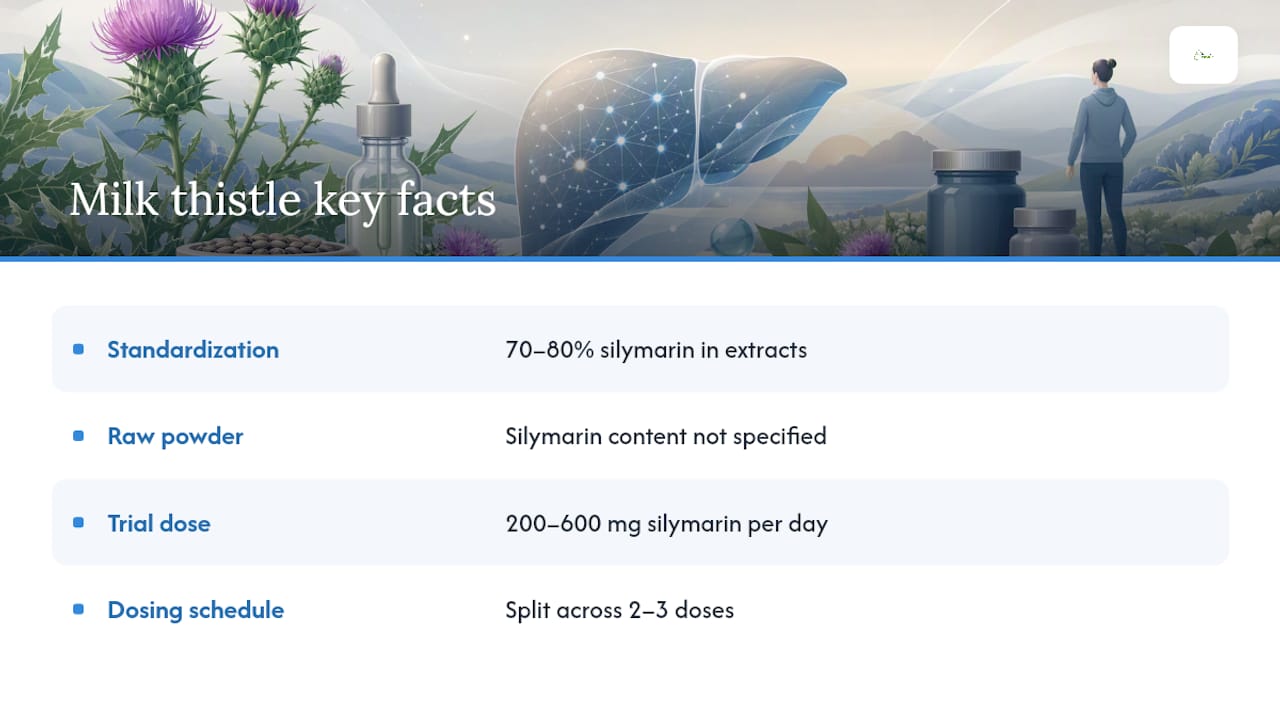
Silymarin is the active compound extracted from milk thistle, and it's probably the single most recognized "liver herb" on store shelves, for good reason and for bad ones. The good reason: standardized extracts (typically 70 to 80% silymarin content) have shown modest reductions in liver enzymes and inflammatory markers in several small-to-moderate trials.
The bad reason is that "milk thistle" on a label means almost nothing without standardization. A raw milk thistle powder and an 80% silymarin extract are not comparable products, even if they cost the same. Trials generally use extract doses in the range of 200 to 600 mg of silymarin per day, split across two to three doses. If the label doesn't specify percent silymarin content, you have no way of knowing whether you're anywhere near a trial-relevant dose.
Curcumin
Curcumin, the active compound in turmeric, faces a basic chemistry problem: it's poorly absorbed on its own. Trials that show benefit, typically reductions in liver fat and inflammatory markers, almost always use bioavailability-enhanced formulations, whether that's curcumin paired with piperine (black pepper extract), a phytosome complex, or a nanoparticle formulation.
Plain turmeric powder or a cheap curcumin capsule without an absorption enhancer is unlikely to replicate what trials found. This is one of the clearest examples in the entire supplement space of why formulation details matter as much as the ingredient name itself.
Berberine
Berberine is a plant alkaloid that behaves almost like a mild pharmaceutical, working primarily through improved insulin sensitivity, which is directly relevant to fatty liver since insulin resistance drives fat accumulation in liver cells. Small trials using 500 to 1,500 mg per day report improvements in liver-related markers alongside better blood sugar control.
The tradeoff is tolerability. Gastrointestinal side effects, cramping, diarrhea, and bloating, are common, and berberine's bioavailability is notoriously poor, which is why some formulations pair it with compounds meant to improve absorption. Berberine also has real drug interaction potential, particularly with diabetes medications, since stacking two insulin-sensitizing agents can push blood sugar lower than intended.
Probiotics
The probiotic research on fatty liver is promising but genuinely messy. Small trials have shown improvements in ALT levels and liver fat with certain probiotic strains, largely attributed to effects on gut permeability and the gut-liver axis, the idea that a leakier gut lets more inflammatory triggers reach the liver via the portal vein.
The problem is strain heterogeneity: a trial showing benefit with one specific Lactobacillus or Bifidobacterium strain tells you almost nothing about whether a random multi-strain probiotic on a shelf will do the same thing. Until strain-specific research matures, treat probiotics as a reasonable adjunct rather than a core pillar of your plan.
The supporting cast: mixed or limited evidence
A handful of other ingredients show up constantly in fatty liver supplement blends, with far less to back them up:
- Coenzyme Q10 has some signal for improving metabolic markers, but liver-specific trial data in fatty liver is thin.
- Vitamin D deficiency correlates with fatty liver severity in observational data, but supplementation trials haven't consistently shown it reverses liver fat, suggesting the link may be more about shared risk factors than direct cause and effect.
- L-carnitine has small trial support for improving liver enzymes, but sample sizes are small and results haven't been widely replicated.
- Resveratrol looked promising in early animal research, but human trials have been inconsistent, and absorption is a persistent problem.
One trial-quality signal worth remembering: research on nutraceutical approaches to NAFLD found that silymarin, omega-3s, curcumin, berberine, and related compounds show positive effects in small-to-moderate trials, but the studies are heterogeneous enough in dose, extract standardization, and endpoints that pooling them into confident, universal recommendations remains difficult.
Supplements to Avoid or Use With Caution if You Have Fatty Liver
Not every "liver support" product on the shelf deserves to be near your liver. Some carry real, documented risk, and the irony of a supplement causing the exact organ damage it claims to prevent is not lost on hepatologists who see these cases.
Green tea extract (concentrated). Green tea itself, brewed as a beverage, is fine. Concentrated green tea extract capsules are a different story: case reports have linked high-dose extracts to acute liver injury, likely tied to catechin concentration far beyond what you'd get from drinking tea. If a product lists EGCG content in the hundreds of milligrams per dose, treat that as a caution flag, not a selling point.
Unstandardized "liver cleanse" and "detox" blends. Multi-ingredient proprietary blends that don't disclose individual ingredient doses are a black box. You have no way to know if you're getting a trial-relevant amount of anything or a token sprinkle of a dozen herbs designed to make a long ingredient list. Independent testing has also repeatedly found adulteration issues in unregulated herbal blends, including undisclosed pharmaceutical ingredients.
High-dose vitamin A and niacin. Vitamin A is fat-soluble and accumulates in the liver itself; chronic high-dose supplementation has a well-documented history of causing liver damage independent of any preexisting condition. High-dose niacin (often marketed for cholesterol) carries similar hepatotoxicity risk at doses well above what's found in a standard multivitamin.
Red yeast rice (monacolin K). This is essentially an unregulated statin. Monacolin K is chemically identical to lovastatin, and taking it alongside a prescribed statin, or with an already-stressed liver, raises the same hepatotoxicity risks associated with statin overdose, without the dosing precision or monitoring that comes with a prescription.
Practical guidance: tell your clinician about every supplement you're taking or considering, including "natural" ones, before your next liver panel. If you notice yellowing skin or eyes, unusually dark urine, or a jump in liver enzymes after starting something new, stop it immediately and call your doctor rather than waiting for your next scheduled appointment.
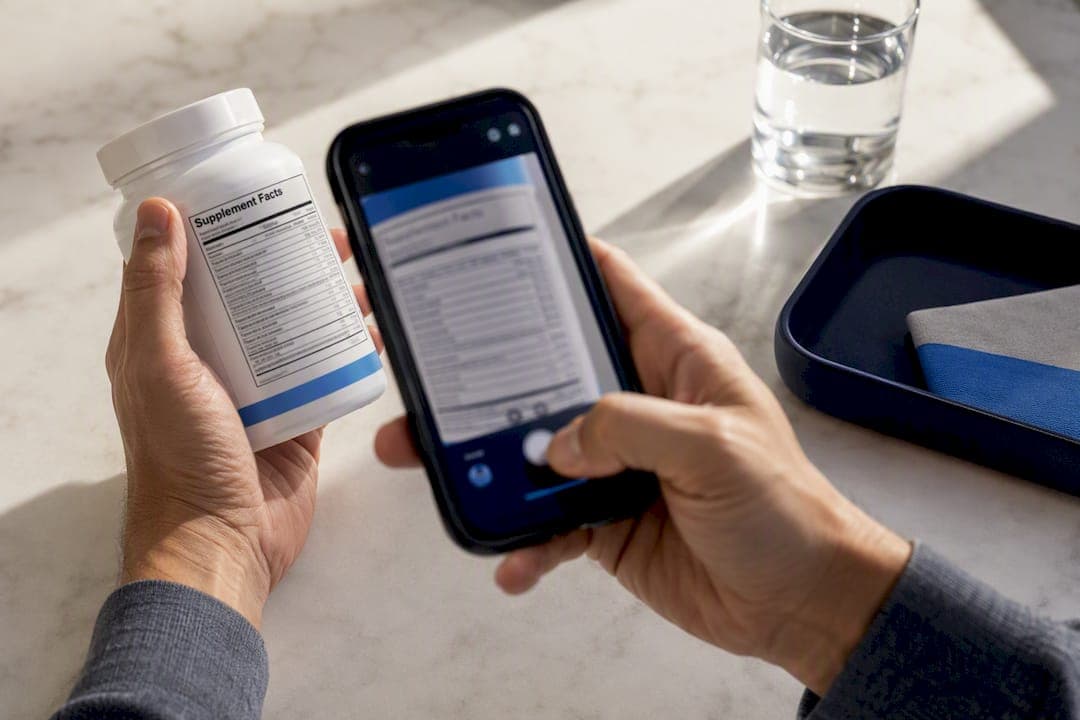
Pro Tip: Take a photo of every supplement label before you start it, including the "Supplement Facts" panel. If something goes wrong, your clinician needs exact ingredient names and doses, not "some green tea pills I got online."
Experts caution that the "liver cleanse" market is built on a flawed premise: the liver already cleans itself continuously, and the real lever is reducing the metabolic load on it through weight management and diet. Supplements, at best, play a supporting role in that process.
How to Trial Fatty Liver Supplements Safely
Randomly stacking five supplements at once is how you end up unable to tell what helped, what didn't, and what caused a side effect. A structured, one-variable-at-a-time approach protects both your liver and your ability to actually learn something.
- Confirm your diagnosis and staging first. Simple steatosis and NASH with fibrosis are different situations with different risk tolerances. Ask your clinician whether you've had, or need, imaging (ultrasound, FibroScan, or MRI) or a biopsy to know where you stand.
- Get baseline labs before starting anything. ALT, AST, a lipid panel, and fasting glucose or HbA1c give you a starting point you can compare against later. Without a baseline, you can't tell if a supplement is working.
- List every current medication and supplement. This is where polypharmacy risk hides. Berberine and diabetes medications, red yeast rice and statins, vitamin E and blood thinners, these combinations need clinician review before you add anything new.
- Pick one ingredient at a time, at a trial-matched dose. Don't start omega-3, silymarin, and berberine simultaneously. Choose the one with the strongest fit for your situation and give it a fair trial.
- Hold for 8 to 12 weeks before reassessing. Clinical benefit from nutraceuticals in this category typically accrues over 8 to 24 weeks, not days. Recheck ALT, AST, and triglycerides at the end of that window.
- Layer a second ingredient only after confirming the first is safe and tolerated. This keeps cause and effect traceable if something changes, good or bad.
- Watch for red flags at every stage: jaundice, dark urine, unusual fatigue, abdominal pain, or a lab result moving in the wrong direction. Any of these warrants stopping the supplement and calling your clinician, not waiting out the trial period.
If your ALT or AST climbs after starting a supplement, or if you have advanced fibrosis, cirrhosis, or NASH with any complicating factor, the priority shifts to medical therapy and a hepatology referral rather than further supplement experimentation. Supplements are linked to roughly 20% of liver toxicity cases in the United States annually, which is exactly why self-directed stacking without monitoring is the wrong approach for anyone with existing liver disease.
How Strong Is the Clinical Evidence, Really?
Most of what supports these ingredients comes from small randomized controlled trials and a handful of meta-analyses pooling them, not the large, multi-year, biopsy-confirmed studies that would settle the question definitively. Vitamin E is the exception, with fibrosis-relevant findings from PIVENS, but even that evidence is scoped narrowly to non-diabetic NASH patients.
Trial endpoints vary in how convincing they are. ALT and AST changes are the easiest to measure but the weakest proxy for actual liver health. Liver fat on imaging is a stronger marker. Fibrosis reversal, the outcome that matters most long-term, has very limited supplement evidence behind it, vitamin E in select NASH patients being the clearest example.
| Endpoint | What it measures | Evidence strength for supplements |
|---|---|---|
| ALT/AST levels | Liver enzyme activity, a proxy for inflammation | Moderate for several ingredients, easiest to measure |
| Liver fat (imaging) | Actual fat content in liver tissue | Moderate for omega-3s, limited elsewhere |
| Fibrosis (biopsy) | Structural liver damage/scarring | Limited; strongest for vitamin E in specific NASH cases |
| Triglycerides | Metabolic marker tied to liver fat | Moderate, especially with omega-3s |
Standardization is the quiet variable that makes or breaks whether a product can replicate trial results. A silymarin extract without a stated percentage, a curcumin capsule without an absorption enhancer, or a probiotic without a named strain is not the same product tested in the research, even if the ingredient name on the label matches exactly.
Our Take: Evidence Should Drive the Decision, Not the Marketing Copy
Nutrasmarts built its ingredient database around one core belief: a supplement's marketing claims and its actual clinical evidence are often two different stories, and fatty liver supplements are a category where that gap shows up constantly. A bottle promising to "cleanse" or "detox" your liver is speaking a different language than the peer-reviewed literature, which talks about ALT reduction, triglyceride shifts, and standardized extract percentages.
What gets underestimated most is how much formulation details change outcomes. Silymarin at an unspecified concentration and silymarin standardized to 80% are not interchangeable, yet they sit on the same shelf with nearly identical labels. The same goes for curcumin without a bioavailability enhancer, which is a fundamentally weaker product than what trials actually tested.
Lifestyle change carries the real weight in fatty liver treatment. Supplements are a supporting cast member, not the lead. Used with clinician oversight, matched to trial-relevant doses, and verified against real evidence, they can still earn a place in your plan.
— NutraSmarts
Check the Evidence Before You Buy: NutraSmarts' Ingredient Tools
There's another route besides guessing at a label or trusting marketing copy: verify the evidence yourself before you spend money on a bottle. Nutrasmarts built its ingredient database specifically for this problem, with over 1,300 evidence-rated profiles linked to the clinical trials behind them, so you can see whether a product's dose actually matches what researchers used.
If you're comparing two silymarin products or trying to figure out whether a curcumin formulation includes a real bioavailability enhancer, the side-by-side comparison tool lets you check formulations against each other directly instead of squinting at two different labels in two browser tabs. And if you're a practitioner or formulator building your own product, the free Supplement Facts label creator generates FDA-compliant labels without wrestling with spreadsheets.
Start with the liver health supplement category to see evidence summaries across the ingredients covered here, then cross-check any specific product against its cited trials before you add it to your routine.
Sources
- Vitamins and supplements for fatty liver disease (MASLD) — Mayo Clinic
- Nutraceutical Approach to Non-Alcoholic Fatty Liver Disease (NAFLD): The Available Clinical Evidence
- Fatty Liver Disease: Worsened by Vitamins and Supplements?
This article is general information, not a substitute for advice from a qualified doctor. Consult a qualified healthcare professional about your own circumstances before acting on anything here.