

Selecting supplements for energy levels means choosing clinically authorized vitamins and minerals that directly fuel energy metabolism and reduce fatigue at the cellular level. The nutrients with the strongest evidence include iron, magnesium, all eight B vitamins, vitamin C, copper, manganese, and iodine. Lifestyle factors like hydration, sleep, and aerobic exercise work alongside these nutrients, not as optional extras. Tools like the Nutrasmarts ingredient database, which covers over 800 ingredients linked to peer-reviewed studies, help you cut through marketing noise and find what the clinical evidence actually supports.
Which vitamins and minerals are proven to reduce fatigue?
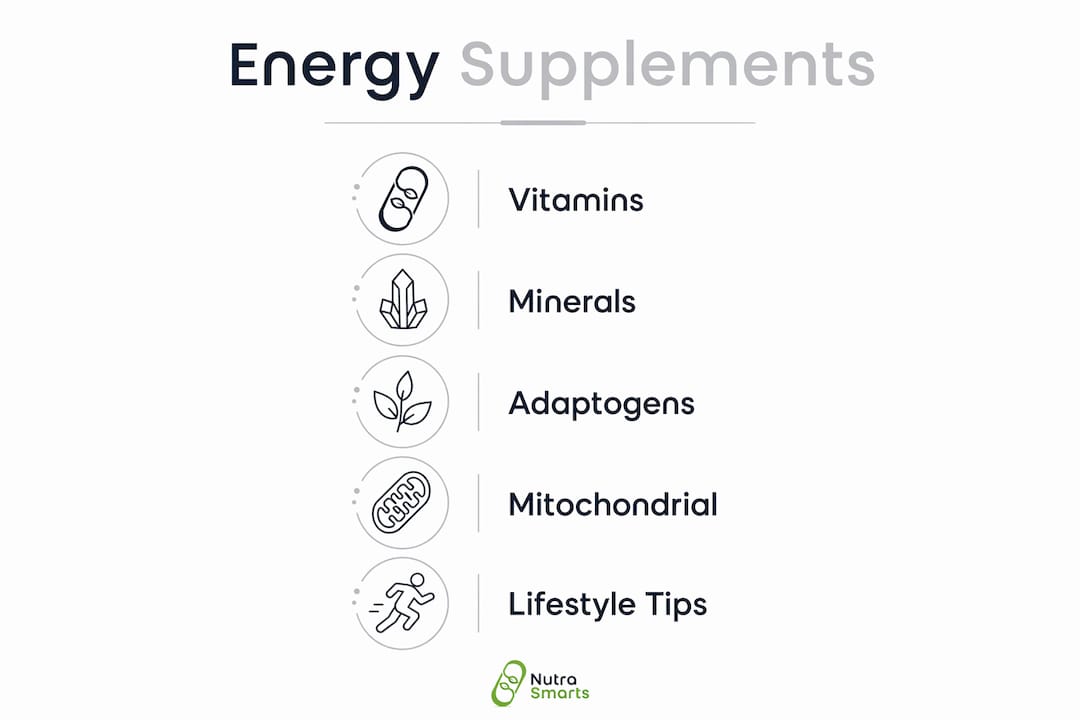
The nutrients authorized for energy metabolism and fatigue reduction include iron, magnesium, B vitamins, vitamin C, copper, manganese, and iodine. Each plays a distinct role in how your body produces and uses energy. Choosing supplements without understanding those roles leads to wasted money and continued fatigue.
B vitamins: the interconnected complex
B vitamins function as a system, not as isolated compounds. B vitamins work as an interconnected complex, meaning supplementing only B12 without addressing B6 or folate deficiency often fails to relieve fatigue. B1 (thiamine), B2 (riboflavin), and B3 (niacin) drive the metabolic pathways that convert food into ATP. B5 (pantothenic acid) supports adrenal function. B6, B9 (folate), and B12 work together on methylation cycles that affect red blood cell production and nerve function. A balanced B complex supplement covers all eight forms rather than betting on a single one.
Iron and magnesium: the two most commonly deficient
Iron is critical for oxygen transport. Without adequate iron, red blood cells cannot carry enough oxygen to muscles and organs, and fatigue becomes the direct result. Getting your iron status tested before supplementing matters because excess iron is harmful. Magnesium contributes to ATP production and fatigue reduction, and suboptimal magnesium intake is widespread across populations. ATP, the molecule your cells use for energy, requires magnesium to be active. Low magnesium means less usable energy, even when caloric intake is sufficient.

Vitamin D and auxiliary nutrients
Vitamin D deficiency correlates strongly with fatigue, muscle weakness, and impaired mood. Supplementation helps deficient individuals but does not produce energy gains in people with adequate levels. Copper, manganese, and iodine play supporting roles in enzyme function and thyroid regulation. Iodine in particular drives thyroid hormone production, and thyroid dysfunction is a leading cause of persistent fatigue.
Pro Tip: Before buying any energy supplement, get a blood panel that checks ferritin (stored iron), serum B12, 25-OH vitamin D, and magnesium. Supplementing without knowing your baseline is guesswork that can mask real deficiencies.
- Iron: test first, supplement only if deficient
- Magnesium glycinate or malate: well-absorbed forms for fatigue reduction
- B complex: choose a product with all eight B vitamins, not just B12
- Vitamin D3: pair with K2 for absorption; supplement only if blood levels are low
- Vitamin C, copper, manganese, iodine: cover through a quality multivitamin if diet is insufficient
How do lifestyle habits affect supplement effectiveness?
Supplements address secondary aspects of energy. Foundational lifestyle factors like aerobic exercise and sleep are primary. A B complex will not compensate for four hours of sleep or chronic dehydration.
Hydration, protein, and blood sugar
Hydration before caffeine, a 20-minute morning walk, and early sunlight exposure are high-leverage interventions that anchor circadian rhythms and reduce cortisol. Most people reach for coffee before drinking water, which compounds the dehydration that worsens fatigue. Protein intake of 0.8 g per kg of body weight per day stabilizes blood glucose and prevents the energy crashes that follow refined carbohydrate meals. Skipping protein at breakfast and eating high-glycemic foods creates a blood sugar roller coaster that no supplement can fully offset.
Exercise, sleep, and gut health
Mitochondrial efficiency declines with age, inactivity, and chronic stress, limiting energy production regardless of supplementation. Zone 2 cardio, the kind where you can hold a conversation, stimulates mitochondrial biogenesis. More mitochondria means more cellular energy capacity. Sleep is when mitochondria repair themselves. Cutting sleep to six hours or fewer reduces the cellular machinery that supplements are supposed to support. Gut microbiome health influences energy metabolism and serotonin production, and a high-fiber, plant-rich diet supports both.
"Morning hydration, sunlight exposure, and brief exercise elevate brain-derived neurotrophic factor (BDNF), regulate cortisol, and enhance energy production at the cellular level." — Simply Younger
Pro Tip: Stack your habits. Drink 16 oz of water, step outside for 10 minutes of sunlight, and eat a protein-rich breakfast before taking any energy supplement. The supplement works better on that foundation.
- Drink water before coffee every morning
- Eat 20–30 g of protein at breakfast to stabilize blood sugar
- Avoid refined carbs and sugary drinks mid-morning
- Walk or do Zone 2 cardio at least 3 times per week
- Prioritize 7–9 hours of sleep as a non-negotiable energy input
What adaptogenic and mitochondrial supplements support energy?
Beyond vitamins and minerals, a second category of supplements supports energy indirectly through stress reduction and mitochondrial function. These are not authorized for direct energy claims in the same way B vitamins are, but the evidence for specific populations is credible.
| Supplement | Mechanism | Evidence strength | Best for |
|---|---|---|---|
| Ashwagandha (600mg/day) | Reduces cortisol and perceived stress | Moderate, consistent in trials | Stress-related fatigue |
| CoQ10 | Supports mitochondrial ATP production | Strong in specific groups | Older adults, statin users |
| Rhodiola rosea | Adaptogenic stress modulation | Moderate, short-term studies | Mental fatigue, burnout |
| Caffeine | Adenosine receptor blockade | Strong, short-term only | Acute performance boost |
| Ginseng | Unclear mechanism | Weak, inconsistent evidence | Not recommended as primary |
Ashwagandha at 600mg per day reduces perceived stress scores in clinical trials, and lower stress directly translates to less fatigue. The effect is real but indirect. CoQ10 is vital for mitochondrial energy production but has the strongest fatigue reduction evidence in specific populations, particularly older adults and people taking statins, which deplete CoQ10 naturally. For the general population, CoQ10 is not a universal fatigue solution. Read more about ashwagandha's stress mechanisms and CoQ10's role in energy production before adding either to your stack.
Clinical authorization of energy claims is limited to specific nutrients. Ginseng, for example, is widely marketed for energy but lacks the consistent clinical evidence that B vitamins and iron carry. Caffeine works acutely but does not address the underlying causes of fatigue and creates dependency with regular use.
Pro Tip: If you are over 40 or take a statin medication, CoQ10 is worth serious consideration. For everyone else, fix the B vitamin and magnesium picture first before adding mitochondrial cofactors.
Step-by-step guide to choosing energy supplements safely
A practical process prevents the most common mistakes: buying products based on marketing, ignoring deficiencies, and stacking supplements without understanding interactions.
-
Assess your symptoms first. Persistent fatigue, brain fog, muscle weakness, and poor sleep each point to different nutrient gaps. Iron deficiency fatigue feels different from B12 deficiency fatigue. Write down your specific symptoms before shopping.
-
Get baseline blood work. Test ferritin, serum B12, 25-OH vitamin D, and a complete metabolic panel. This turns guesswork into targeted supplementation.
-
Choose supplements with authorized health claims. Many supplements marketed for energy lack clinical evidence. Stick to products where the active ingredients carry regulatory authorization for energy metabolism or fatigue reduction claims.
-
Start with a quality B complex and magnesium. These two cover the most common nutritional gaps in people with fatigue. Add iron only if blood work confirms deficiency.
-
Add adaptogens or CoQ10 based on your profile. Ashwagandha suits stress-driven fatigue. CoQ10 suits older adults or statin users. Neither is a first-line choice for general fatigue.
-
Time your supplements correctly. Take B vitamins in the morning with food. Take magnesium glycinate in the evening, as it also supports sleep quality. Take CoQ10 with a fat-containing meal for absorption.
-
Monitor for 8–12 weeks. Energy changes from nutritional supplementation are gradual. Track your symptoms weekly. If nothing improves after 12 weeks, revisit your blood work and lifestyle habits.
"Choosing supplements without testing your baseline is the single most common mistake. The supplement that works for your colleague may be irrelevant for your specific deficiency profile."
- Avoid products with proprietary blends that hide individual ingredient doses
- Look for third-party testing certifications like NSF International or USP
- Consult a registered dietitian or physician if you have a chronic condition or take prescription medications
- Use a resource like the Nutrasmarts energy and fatigue supplement database to cross-reference clinical evidence before buying
Key Takeaways
The most effective approach to selecting supplements for energy levels combines clinically authorized nutrients, targeted deficiency testing, and foundational lifestyle habits that no supplement can replace.
| Point | Details |
|---|---|
| Test before you supplement | Blood work for ferritin, B12, and vitamin D prevents wasted spending and missed deficiencies. |
| B vitamins work as a system | Supplementing only B12 without B6 and folate often fails to relieve fatigue. |
| Magnesium is widely deficient | Magnesium supports ATP production and is suboptimal in a large share of the population. |
| Lifestyle is non-negotiable | Aerobic exercise, 7–9 hours of sleep, and morning hydration are prerequisites, not optional extras. |
| Adaptogens are population-specific | Ashwagandha and CoQ10 have real evidence but work best for stress-driven or age-related fatigue. |
The honest truth about energy supplements
At Nutrasmarts, we review hundreds of supplement formulas every year, and the pattern is consistent. People arrive looking for a single capsule that fixes their fatigue. They have usually already tried three or four products that did not work. The reason is almost always the same: they skipped the foundation.
The most common misconception we see is treating B12 as a universal energy fix. B12 is one piece of an eight-part system. Taking it alone when your real gap is folate or B6 produces no result. The supplement industry profits from this confusion by selling single-nutrient products at premium prices.
What actually works is less exciting but more reliable. Fix your sleep. Drink water before coffee. Walk outside in the morning. Then add a quality B complex and magnesium. Test your iron and vitamin D. Add ashwagandha if stress is driving your fatigue. Add CoQ10 if you are over 50 or on a statin. That sequence, in that order, produces results that single-supplement shortcuts never do.
We are also skeptical of stimulant-heavy products that list caffeine, ginseng, and guarana as primary ingredients. These create the sensation of energy without addressing the metabolic causes of fatigue. They work for a few hours and then make the underlying problem worse. The vitamins proven to boost energy are not glamorous, but they are the ones with decades of clinical evidence behind them.
— Nutrasmarts
Nutrasmarts tools for finding the right energy supplements
Knowing which nutrients to prioritize is only half the work. Finding products that actually deliver those nutrients at clinically relevant doses is where most people get stuck.
Nutrasmarts maintains a database of over 800 ingredients, each linked to peer-reviewed studies and clinical trial citations. You can search by symptom, including fatigue and low energy, and filter by evidence strength. The supplements by symptom tool lets you compare energy and fatigue products side by side with full ingredient transparency. For those building or evaluating a custom supplement stack, the FDA-compliant Supplement Facts label creator shows exactly what is in each product at a glance. No spreadsheets, no guesswork, just clinical data organized for people who want real results.
FAQ
What are the best vitamins for energy and fatigue?
The best-evidenced vitamins for energy and fatigue are the full B vitamin complex, iron (if deficient), magnesium, and vitamin D. These nutrients carry clinical authorization for energy metabolism and fatigue reduction claims.
Is it safe to take multiple energy supplements together?
Most B vitamins, magnesium, and vitamin D are safe to combine, but iron should only be added after confirming deficiency through blood work. Always check for interactions if you take prescription medications.
How long does it take for energy supplements to work?
Nutritional supplements for fatigue typically require 8–12 weeks of consistent use before measurable improvements appear. Faster results usually indicate a severe deficiency that was corrected quickly.
Does ashwagandha actually increase energy?
Ashwagandha at 600mg per day reduces perceived stress scores, which indirectly improves energy in people whose fatigue is stress-driven. It does not directly fuel cellular energy production the way B vitamins or iron do.
Can I get enough energy-boosting nutrients from food alone?
A varied diet rich in whole grains, leafy greens, lean protein, and legumes covers most B vitamins and magnesium. However, vitamin D, iron, and B12 are commonly deficient even in people with good diets, making targeted supplementation worthwhile for many people.