

Folate, the water-soluble B9 vitamin, is defined as the primary nutrient enabling DNA synthesis, methylation, and neurotransmitter production in the brain. Understanding why folate neural health is critical means recognizing that this single nutrient drives cellular processes your brain depends on from conception through old age. Low folate status does not just affect pregnant women. It raises the risk of cognitive decline, neuroinflammation, and neurodegenerative disease at every stage of life. The science connecting folate to brain function is now strong enough that ignoring your intake is a measurable risk.
Why is folate neural health critical at the biochemical level?
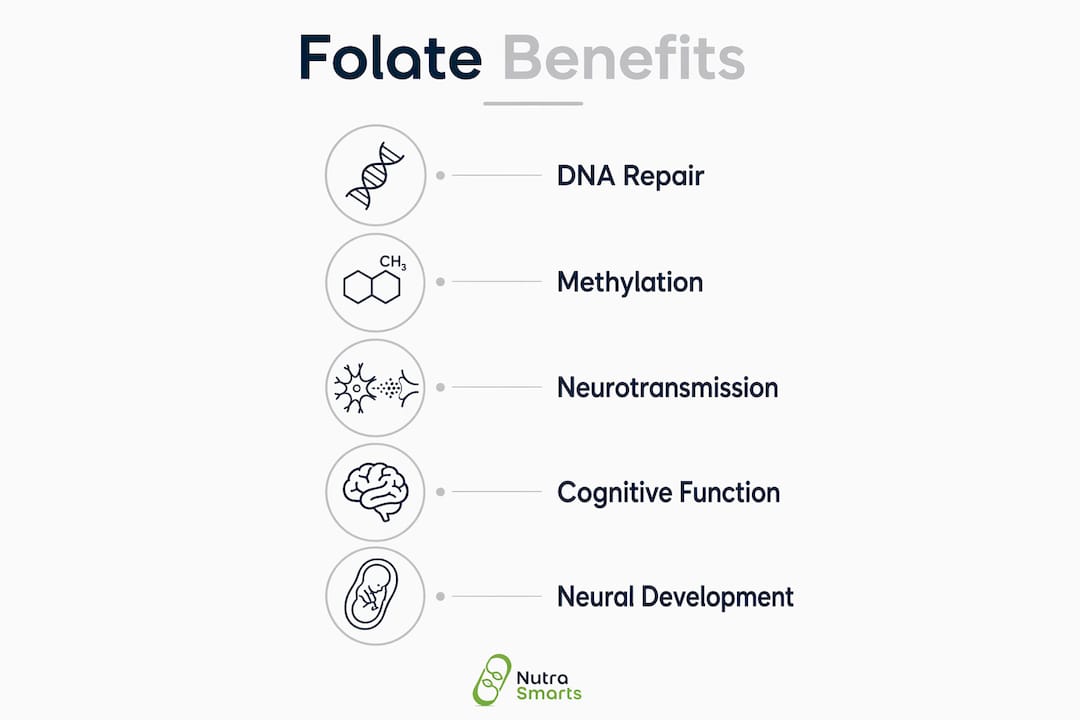
Folate powers one-carbon metabolism, the cellular process that transfers single carbon units to build and repair DNA, produce RNA, and synthesize neurotransmitters like serotonin and dopamine. Without adequate folate, neurons cannot replicate accurately, synaptic signaling degrades, and the brain loses its ability to regulate gene expression. These are not abstract risks. They translate directly into memory problems, mood disruption, and accelerated neural aging.
The four core biochemical roles folate plays in the brain are worth knowing in detail:
- DNA synthesis and repair: Neurons require continuous DNA maintenance. Folate deficiency causes strand breaks that accumulate over time, increasing the risk of neuronal death.
- Methylation: Folate donates methyl groups that switch genes on and off. In the brain, methylation controls synaptic plasticity, the mechanism behind learning and memory.
- Neurotransmitter synthesis: Folate supports the production of serotonin, dopamine, and norepinephrine. Deficiency directly reduces the raw material for mood regulation.
- Antioxidant defense: Folate participates in redox balance, helping neutralize oxidative stress that would otherwise damage neural tissue.
Disruption of folate-dependent one-carbon metabolism (FOCM) contributes to oxidative stress and neuroinflammation, and is linked to amyloid-beta accumulation seen in Alzheimer's disease. That connection makes folate status relevant not just for brain development but for long-term neuroprotection.
Pro Tip: If you take a B-complex supplement, check that it includes methylfolate rather than only folic acid. Methylfolate is the biologically active form your brain uses directly, with no conversion step required.

How does folate deficiency affect neural development and cognitive function?
Folate deficiency produces some of the most well-documented neurological consequences in nutritional science. The effects range from catastrophic birth defects to subtle but progressive cognitive decline in adults.
-
Neural tube defects (NTDs): The neural tube closes within the first 28 days of pregnancy, often before a woman knows she is pregnant. Insufficient folate at that moment causes spina bifida and anencephaly. The CDC reports that 400 mcg of folic acid daily prevents approximately 1,300 NTDs per year in the United States. That number represents real lives altered by a single nutrient gap.
-
Cognitive decline and dementia: Lower serum folate levels in Alzheimer's patients correlate with reduced glymphatic function and significantly poorer memory and processing speed. The glymphatic system is the brain's waste-clearance network. When folate is low, that clearance slows, and toxic proteins accumulate.
-
Neurological symptoms: Deficiency produces fatigue, irritability, poor concentration, and depression. These symptoms often appear before a blood test shows a clinical deficiency, meaning many people are functionally low on folate without knowing it.
-
Neuroinflammation and oxidative stress: Folate deficiency raises homocysteine, an amino acid that becomes toxic at high levels. Elevated homocysteine damages blood vessel walls in the brain, triggers inflammation, and accelerates neuronal loss.
The connection between folate and Parkinson's disease is also under active investigation. Researchers have found that FOCM disruption impairs dopaminergic neuron maintenance, the exact cell type lost in Parkinson's. The importance of folate for brain health extends well beyond the prenatal window most people associate with it.
What are the current folic acid supplementation guidelines?
The CDC recommends that all women capable of becoming pregnant take 400 mcg of supplemental folic acid every day, starting at least one month before conception and continuing through the first trimester. This recommendation exists because NTDs form before most pregnancies are confirmed.
For adults outside of pregnancy, safety limits matter as much as minimums. Adults aged 19 and older should keep total folate intake from food and supplements below 1,000 mcg per day. Teens aged 14–18 should stay below 800 mcg per day. Exceeding these limits does not cause immediate harm in most people, but high folic acid intake can mask a vitamin B12 deficiency, which carries its own serious neurological risks.
Folic acid, the synthetic form used in supplements and fortified foods, is more stable than natural folate and absorbs efficiently. Natural food folate degrades with heat and light. That stability makes folic acid the standard for fortification programs, but it requires conversion inside the body before the brain can use it.
| Form | Source | Stability | Conversion needed |
|---|---|---|---|
| Folic acid | Supplements, fortified foods | High | Yes, to methylfolate |
| Natural folate | Leafy greens, legumes, liver | Low | Yes, to methylfolate |
| Methylfolate | Specialty supplements | Moderate | No |
Pro Tip: Adults with the MTHFR genetic variant convert folic acid to methylfolate less efficiently. If you have a family history of neural tube defects or mood disorders, ask your doctor about testing for MTHFR and switching to a methylfolate supplement.
What emerging research links folate to lifelong neural health and aging?
The science on folate has moved well past pregnancy prevention. Researchers now understand that folate receptor alpha (FRα), a high-affinity transporter at the choroid plexus, actively maintains folate levels in the brain throughout adult life. FRα does not just shuttle folate into neurons. It modulates gene expression and signaling pathways that sustain neural stem cells and synaptic plasticity in the aging brain.
Three areas of emerging research stand out:
- Glymphatic clearance: Lower folate levels in Alzheimer's patients correlate with reduced glymphatic activity, the brain's overnight waste-removal process. Better folate status appears to support more efficient clearance of amyloid-beta and tau proteins.
- Gut-brain axis: Folate modulates gut microbiota and immune function, linking B-vitamin status to systemic inflammation and cognitive health in older adults. A disrupted gut-immune-brain axis raises dementia risk, and folate is one of the nutrients that helps keep that axis stable. Gut health after midlife is increasingly recognized as a key variable in brain aging, and folate sits at the intersection of both systems.
- Autoantibody interference: Dietary patterns high in dairy can trigger anti-FRα autoantibodies that block folate from entering the brain even when blood folate levels appear normal. This means a standard serum folate test can miss cerebral folate deficiency in people whose immune system is actively blocking transport.
"Folate receptor alpha remains active in adults supporting neurogenesis and plasticity, highlighting folate's lifelong neural importance. Its role extends beyond development into the maintenance of cognitive function across the entire lifespan." — Molecular Neurobiology, 2026
The gut connection is particularly relevant for adults over 45. Research on gut health and wellness after midlife consistently points to B-vitamin status as a modifiable factor in reducing neuroinflammation and preserving memory.
How to optimize folate intake for neural health
Getting enough folate requires more than picking up a multivitamin. The form, dose, and individual factors all determine whether your brain actually receives what it needs.
Top dietary sources of folate
Dark leafy greens lead the list. Cooked lentils, black-eyed peas, spinach, asparagus, and beef liver all deliver high natural folate per serving. Fortified breakfast cereals and enriched bread provide folic acid, which is reliable but requires metabolic conversion.
Key factors that affect folate status
- Genetic polymorphisms: The MTHFR C677T variant reduces the enzyme that converts folic acid to active methylfolate. People with this variant benefit more from methylfolate supplements than from standard folic acid.
- Anti-FRα autoantibodies: High dairy intake may generate blocking antibodies that prevent folate from crossing into the brain. Reducing dairy and retesting can sometimes resolve unexplained neurological symptoms.
- Medications: Methotrexate, metformin, and some anticonvulsants deplete folate. People on these drugs need closer monitoring of their folate status.
- Alcohol: Regular alcohol consumption impairs folate absorption and accelerates its excretion. Even moderate drinking can meaningfully lower brain folate levels over time.
- Age: Absorption efficiency declines with age. Older adults often need higher dietary intake or direct supplementation to maintain adequate brain levels.
For most adults, a daily supplement providing 400–800 mcg of folate, ideally as methylfolate, combined with a diet rich in leafy greens, covers the bases. Checking your folate deficiency risk by age group and health status is a practical first step before choosing a dose.
Pro Tip: When reading supplement labels, "L-methylfolate" or "5-MTHF" indicates the active form. "Folic acid" alone means the synthetic precursor that requires conversion. Both are legitimate, but the right choice depends on your genetics and health history.
Key Takeaways
Folate is the single most studied nutrient for neural health because it controls DNA repair, methylation, neurotransmitter production, and brain waste clearance across every stage of life.
| Point | Details |
|---|---|
| Folate drives brain biochemistry | One-carbon metabolism, methylation, and neurotransmitter synthesis all depend on adequate folate status. |
| Deficiency has measurable consequences | Low folate raises neural tube defect risk, elevates homocysteine, and reduces glymphatic clearance linked to Alzheimer's. |
| Supplementation guidelines are specific | The CDC recommends 400 mcg daily for women of childbearing age; adults should stay below 1,000 mcg total per day. |
| Form matters for your genetics | People with MTHFR variants absorb methylfolate more effectively than standard folic acid. |
| Folate supports the aging brain | FRα activity and gut-brain axis modulation make folate relevant for cognitive maintenance well beyond pregnancy. |
Nutrasmarts' take on folate and lifelong brain health
Most conversations about folate start and end with pregnancy. That framing does a disservice to the millions of adults quietly losing cognitive ground because their folate status is suboptimal but not clinically deficient.
What the research now makes clear is that folate's role in the brain is continuous, not episodic. FRα keeps working in your 50s and 60s. Your glymphatic system clears waste every night, and it does that job better when folate levels are adequate. The gut-brain axis, which influences neuroinflammation and dementia risk, responds to B-vitamin status in ways that are only now being quantified.
The misconception I see most often is the assumption that eating a reasonably healthy diet covers folate needs. For many people it does not, particularly those with MTHFR variants, those on common medications like metformin, and those who drink alcohol regularly. A serum folate test can also miss cerebral folate deficiency when autoantibodies are blocking transport, which means normal lab results do not always tell the full story.
Personalized approaches matter here more than generic supplementation advice. Knowing your genetic profile, your medication list, and your dietary patterns gives you the information needed to choose the right form and dose. That specificity is what separates effective supplementation from expensive guesswork.
— Nutrasmarts
Nutrasmarts resources for folate and cognitive health
Nutrasmarts maintains a database of over 800 supplement ingredients, each linked to peer-reviewed studies and clinical trial citations. For anyone looking to understand how folate fits into a broader cognitive health plan, the cognitive supplement reviews section covers 144 products evaluated against clinical evidence.
The metabolic health supplement rankings include products that support the biochemical pathways folate depends on, including methylation and homocysteine regulation. If you want to check your personal deficiency risk before choosing a supplement, the Nutrasmarts deficiency guide maps risk by age group, health condition, and medication use. The supplement ingredient database lets you search by health concern and filter by evidence quality, so you can find products backed by the same research standards discussed in this article.
FAQ
What does folate do for the brain?
Folate supports DNA synthesis, methylation, and neurotransmitter production in neurons. These processes maintain synaptic plasticity, mood regulation, and cognitive function throughout life.
How much folic acid should I take daily?
The CDC recommends 400 mcg of supplemental folic acid daily for women capable of pregnancy. Adults generally should not exceed 1,000 mcg per day from all sources combined.
What are the signs of folate deficiency in the brain?
Early signs include fatigue, poor concentration, irritability, and depression. Severe or prolonged deficiency raises homocysteine, damages blood vessels in the brain, and accelerates cognitive decline.
Is methylfolate better than folic acid for brain health?
Methylfolate is the active form the brain uses directly, requiring no conversion. People with the MTHFR genetic variant convert folic acid less efficiently, making methylfolate the more effective choice for that group.
Can normal folate blood levels still mean low brain folate?
Yes. Anti-FRα autoantibodies can block folate transport into the brain even when serum levels appear normal. This condition, called cerebral folate deficiency, is associated with neurological symptoms and is influenced by dietary patterns including high dairy intake.