
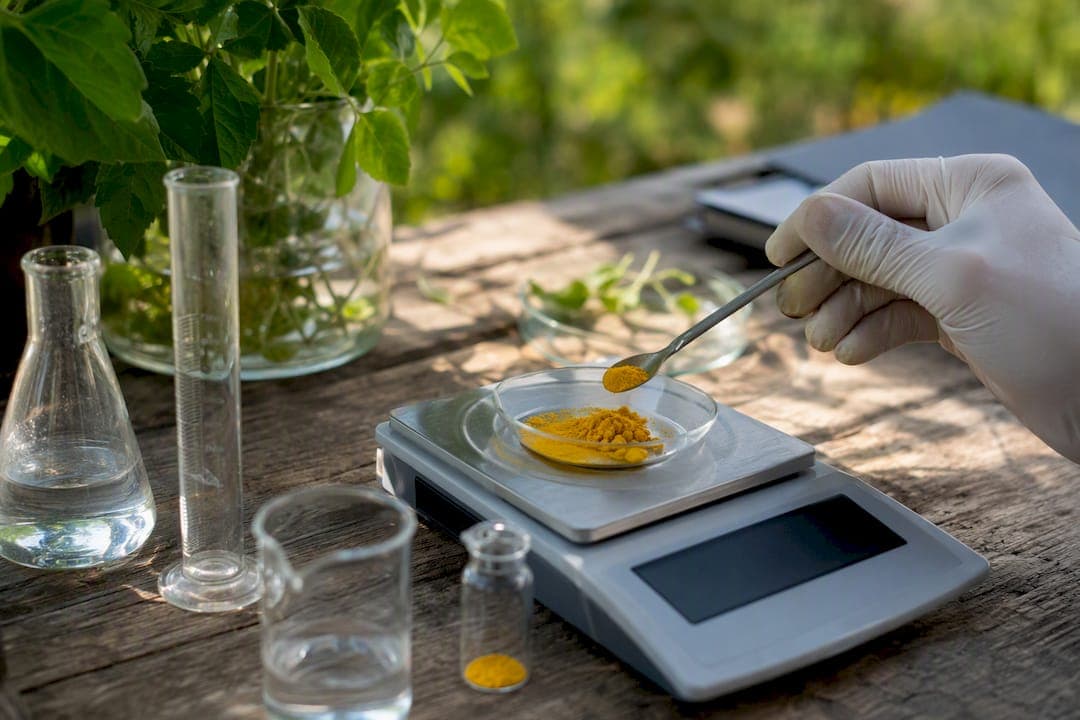
The supplements with the most consistent clinical support for insulin resistance are berberine, myo-inositol (often paired with d-chiro-inositol), chromium, vitamin D, magnesium, probiotics, alpha-lipoic acid, viscous fibers like psyllium, and flaxseed. None of them reverse insulin resistance on their own. The honest picture from clinical trials is modest, population-dependent improvement in fasting glucose and HOMA-IR, best used alongside diet, exercise, and medical care, not instead of them.
TL;DR:
- Berberine shows the strongest evidence for modest blood sugar improvements at doses of 900 to 1,500 mg daily, but gastrointestinal side effects are common.
- Inositol, particularly in a 40:1 ratio of myo-inositol and d-chiro-inositol, benefits women with PCOS but may not be interchangeable with single-ingredient products.
- Chromium's effects are inconsistent and mainly beneficial only for people with a deficiency, with potential kidney and liver risks at high doses.
- Vitamin D and magnesium help insulin resistance only when deficiency exists, with benefits typically observable after 12 weeks of supplementation.
- Viscous fibers like psyllium and flaxseed provide mechanical post-meal glucose control, showing consistent but modest effects across studies.
Table of Contents
- The Supplements for Insulin Resistance Backed by the Best Evidence
- What the Clinical Trials Really Show (and Where They Fall Short)
- How to Choose a Supplement That Actually Matches the Research
- Verifying Trial-Matched Products With the NutraSmarts Database
- The Bottom Line on Supplements for Insulin Resistance
- Why Skepticism Is the Right Default Here
- Ready to Check a Product Against the Research?
- Sources
The Supplements for Insulin Resistance Backed by the Best Evidence
Not every ingredient on a supplement store shelf has trial data behind it. The ones below do, though the strength of that data varies quite a bit from one to the next.
Berberine: the closest thing to a standout
Berberine, a compound extracted from plants like Berberis aristata, activates AMPK, the same cellular energy sensor that metformin influences. A 2021 review covering more than 4,000 participants found berberine improved glycemic markers across multiple trials, and it consistently ranks among the most-studied options for blood sugar support. Typical trial dosing runs 500 mg two to three times daily, generally 900 to 1,500 mg total. The tradeoff is gastrointestinal: cramping, diarrhea, and constipation show up often enough that people usually start at a lower dose and build up. Berberine also interacts with several medications metabolized through the liver's CYP3A4 pathway, so it deserves a conversation with a physician before it lands in your routine, particularly if you're already on a diabetes medication.
Inositol: the PCOS-specific player
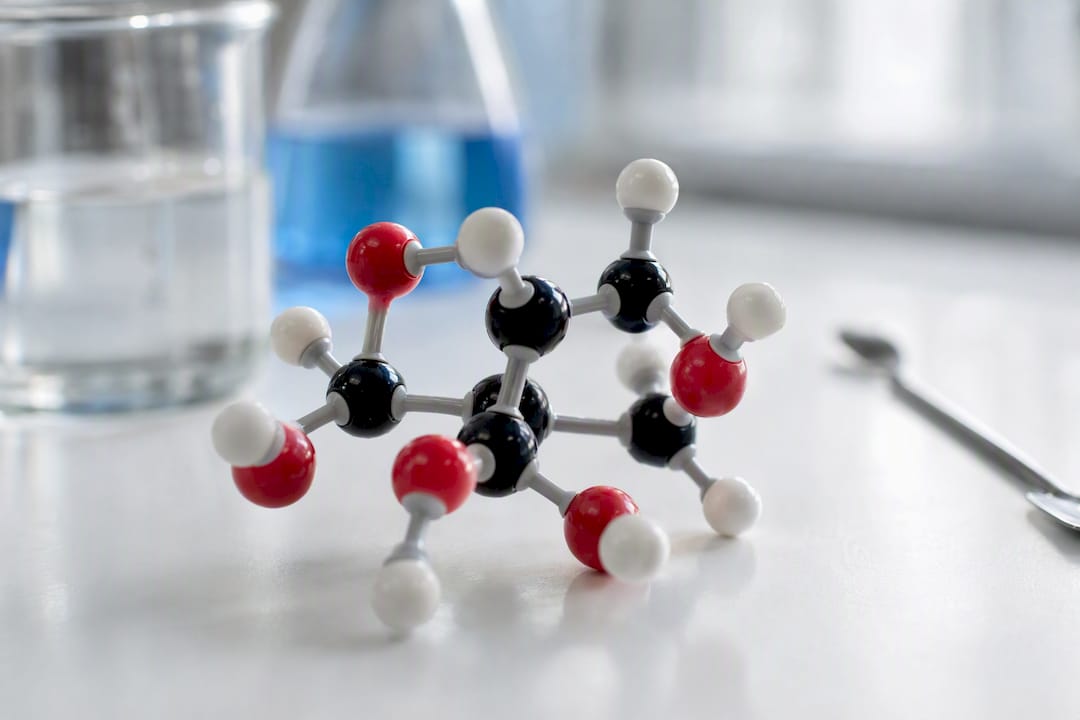
Myo-inositol and d-chiro-inositol are both forms of a sugar alcohol your body already makes and uses in insulin signaling. Most of the strongest trial data comes from women with polycystic ovary syndrome (PCOS), where insulin resistance and hormonal imbalance often travel together. A 2024 meta-analysis of 25 randomized controlled trials in overweight and obese women with PCOS found supplements including inositol associated with improved insulin and HOMA-IR scores compared to placebo, alongside benefits to hormonal markers. The detail that gets lost in most consumer marketing: the trials showing the clearest benefit generally use myo-inositol and d-chiro-inositol together in a 40:1 ratio, mirroring the physiologic ratio found in healthy ovarian tissue. A single-ingredient myo-inositol product isn't necessarily interchangeable with what was actually tested.
Chromium: promising in theory, inconsistent in practice
Chromium picolinate has one of the longer research histories of any mineral supplement for blood sugar, and the results are genuinely mixed. Some trials report modest reductions in A1c and fasting glucose, but those effects are mainly seen in people who started with poor chromium status. In people without a deficiency, the effect often disappears. Safety isn't a nonissue either: case reports describe kidney and liver injury at high doses, even though 200 micrograms daily for up to six months is generally considered safe. Chromium is a supplement where testing your actual status first matters more than usual.
Vitamin D and magnesium: it's mostly about starting deficient
Both nutrients show a familiar pattern: benefit shows up almost exclusively in people who were deficient before they started supplementing. A 2022 review of 178 studies found vitamin D supplementation may help glycemic markers when taken for 12 weeks or longer, but shorter trials and studies in people with normal vitamin D levels tend to show little to nothing. Magnesium follows a similar logic. It's a cofactor in more than 300 enzymatic reactions, several of them tied directly to insulin receptor function, so a magnesium-deficient body has a mechanical reason to respond to supplementation that a magnesium-replete body doesn't.
Probiotics and synbiotics: modest, formulation-dependent
Certain probiotic strains and synbiotic blends (probiotics plus prebiotic fiber) have shown small reductions in fasting glucose and A1c in clinical trials, likely through effects on gut permeability and inflammatory signaling. The catch is heterogeneity: strain, dose, and formulation vary so widely across studies that "probiotics help" is really a shorthand for a dozen different, non-interchangeable interventions.
Alpha-lipoic acid: real fasting glucose effects, not much A1c movement
Alpha-lipoic acid (ALA) is an antioxidant compound your body produces naturally in small amounts. In trials, it has reduced fasting blood glucose and improved insulin sensitivity in people with type 2 diabetes, but it hasn't reliably moved A1c, the marker that reflects average blood sugar over months rather than a single reading. Doses studied range from 600 to 1,800 mg daily, borrowed largely from neuropathy research, and most people need three to five weeks before noticing a change. GI upset is common, and ALA can interact with thyroid medication.
Viscous fibers and flaxseed: the unglamorous workhorses
Psyllium and other viscous, fermentable fibers slow gastric emptying and blunt the glucose spike after a meal, which is a mechanical effect rather than a hormonal one. Flaxseed works on a similar principle, with the added contribution of alpha-linolenic acid, a plant-based omega-3. This is one of the few categories where the mechanism is well understood and the trial outcomes for postprandial glucose are fairly consistent, even if the total effect size stays modest.
Cinnamon: helpful, but the type matters
Cinnamon shows up in enough trials to earn a place on this list, with some studies reporting fasting glucose improvements. The complication is coumarin, a compound naturally present at much higher levels in cassia cinnamon than in Ceylon cinnamon. Regular high-dose cassia intake carries a liver-toxicity risk over time, so anyone using cinnamon supplementation regularly is generally better off choosing a Ceylon-sourced product or a standardized extract with coumarin removed.
Multi-ingredient blends: proceed with skepticism
Plenty of commercial "blood sugar support" formulas stack six or eight of these ingredients into one capsule at fractional doses. The problem is that almost none of the clinical trials backing these ingredients tested them in combination, and certainly not at the doses most blends actually use. A formula built from trial-supported ingredients at sub-trial doses isn't the same product the research tested.
Data snapshot: Vitamin D supplementation showed benefit mainly in trials lasting 12 weeks or longer, while alpha-lipoic acid effects on fasting glucose typically appeared within three to five weeks of consistent use.
Pro Tip: Before buying anything on this list, pull your last lab panel. If your vitamin D or magnesium levels are already in normal range, supplementing with those two is unlikely to move your insulin resistance markers much, no matter what the bottle promises.
What the Clinical Trials Really Show (and Where They Fall Short)
The aggregate picture across supplement trials for insulin resistance is consistent in one way: the effects are real but small. Fasting glucose drops of 10 to 20 mg/dL and HOMA-IR improvements of a fraction of a point show up repeatedly, but they rarely rival what a structured diet change or weight loss of 5 to 7% of body weight produces on its own. A1c changes, when they appear at all, tend to be under 0.6 percentage points.
Population matters enormously. The 2024 meta-analysis in women with PCOS found stronger signal for insulin and hormonal markers than you typically see in general prediabetes populations, likely because PCOS involves a more specific and pronounced insulin-signaling disruption. Similarly, chromium and vitamin D both perform better in people who start out deficient than in people with adequate baseline status.
Trial quality is the part marketing copy tends to skip. A review of dietary supplement safety and efficacy for diabetes points out that many trials are small, short in duration, and inconsistent in the formulations and doses tested, which makes pooling their results into one clean number difficult. Long-term safety data, especially past twelve months of continuous use, is thin for most of these ingredients.
Supplements are adjuncts, not cures. The evidence base consistently frames lifestyle change, not any single ingredient, as the primary driver of improved insulin sensitivity, and the studies with the largest effect sizes are almost always the ones where supplementation ran alongside dietary changes rather than in place of them.
- Effect sizes are modest: think incremental improvement, not reversal.
- PCOS and clearly deficient populations show the clearest signal.
- Short trial duration and small sample sizes limit how much weight any single study should carry.
- Formulation and dose mismatches between trials and store-shelf products are common.
How to Choose a Supplement That Actually Matches the Research
Buying blind off a supplement aisle is how most people end up with a product that has almost nothing in common with what the clinical trials tested. A more useful approach looks like this:
- Get baseline labs first. Fasting glucose and A1c tell you where you're starting. If you suspect chromium, vitamin D, or magnesium issues, ask for those specific panels, since deficiency status largely determines whether supplementing will do anything.
- Match the label to the trial dose. If a berberine trial used 1,500 mg daily split into three doses and your bottle contains 500 mg total, you're not replicating the study, you're taking a fraction of it.
- Look for third-party testing. Certifications from organizations like USP, NSF, or independent verification from ConsumerLab indicate the product actually contains what the label claims, which matters more with supplements than with most food products since manufacturing oversight is lighter.
- Screen for interactions. Berberine and cinnamon can amplify the effect of blood thinners and diabetes medications; chromium and ALA carry their own specific cautions. This step is nonnegotiable if you're on prescription medication.
- Set a monitoring window. Give fast-acting compounds like alpha-lipoic acid four to five weeks before judging results. Give vitamin D, magnesium, and inositol a full twelve weeks, since their trial data skews toward longer durations.
- Know your exit signals. New GI distress that doesn't resolve, unusual fatigue, or lab values moving the wrong direction are reasons to stop and talk to your doctor, not push through.
Pro Tip: Track your fasting glucose readings weekly rather than daily. Daily numbers bounce around too much from sleep, stress, and meal timing to tell you anything about whether a supplement is working; weekly averages smooth that noise out.
Verifying Trial-Matched Products With the NutraSmarts Database
Most of the confusion around these supplements comes down to a mismatch between what got tested and what gets sold. The NutraSmarts ingredient database links each entry, including berberine, chromium, and inositol, to the clinical trials and citations behind it, so you can check the actual dose and formulation a study used before comparing it to a product label.
A practical workflow looks like this:
- Start with the ingredient page to see the trial dose and study population.
- Use the comparison tool to weigh two candidates, such as berberine against inositol, side by side on mechanism and evidence strength.
- Run the product label through the free Supplement Facts Tool to confirm the dose per serving lines up with what the research actually tested.
- Cross-check for known interactions before adding anything to a routine that includes prescription medication.
The Bottom Line on Supplements for Insulin Resistance
If you're prioritizing, berberine has the broadest general evidence, inositol is the strongest pick for PCOS specifically, and vitamin D or magnesium only pay off if you're actually deficient. Viscous fiber, probiotics, and alpha-lipoic acid work best as adjuncts layered on top of diet and activity changes, not as substitutes for them. Talk to a healthcare provider before starting any of these, especially alongside diabetes medication.
Why Skepticism Is the Right Default Here
The supplement industry sells certainty that clinical trials don't actually offer. Berberine's evidence is genuinely good, but "good" in a research context means consistent modest improvement across studies with real limitations, not a metformin substitute. Chromium's case reports of organ injury rarely make it onto a product label, and the 40:1 myo-inositol to d-chiro-inositol ratio that drove the strongest PCOS results gets flattened into single-ingredient products that were never actually tested that way.
The gap between what a bottle promises and what a trial actually measured is where most disappointment lives. Reading the primary research, matching doses, and checking formulations before spending money is not extra effort. It's the whole game. That's the lens Nutrasmarts applies to its ingredient database and comparison tools, and it's the same lens worth applying to anything you're considering putting in your body.
— NutraSmarts
Ready to Check a Product Against the Research?
Reading the trial data is one thing. Matching it to what's actually on a store shelf is another, and that gap is exactly where Nutrasmarts is built to help. The database of evidence-rated ingredient profiles links directly to the clinical trials cited throughout this article, so you're not guessing whether a product's dose matches what researchers actually tested.
If you're narrowing down options, the side-by-side comparison tool lets you weigh two ingredients, say berberine against inositol, on mechanism, dosing, and evidence strength before you spend a dollar. Formulators and anyone curious about label accuracy can run a product through the free Supplement Facts Tool to check whether the dose per serving actually lines up with the research. For a curated starting point, visit the best metabolic health supplements page and start checking products against the trial data before you buy.
This article is general information, not a substitute for advice from a qualified doctor. Consult a qualified healthcare professional about your own circumstances before acting on anything here.
Sources
- Diabetes and dietary supplements: What you need to know | NCCIH
- Different supplements improve insulin resistance, hormonal functions, and oxidative stress on overweight and obese women with polycystic ovary syndrome: a systematic review and meta-analysis
- Best evidence‑backed supplements for blood sugar support — Factually